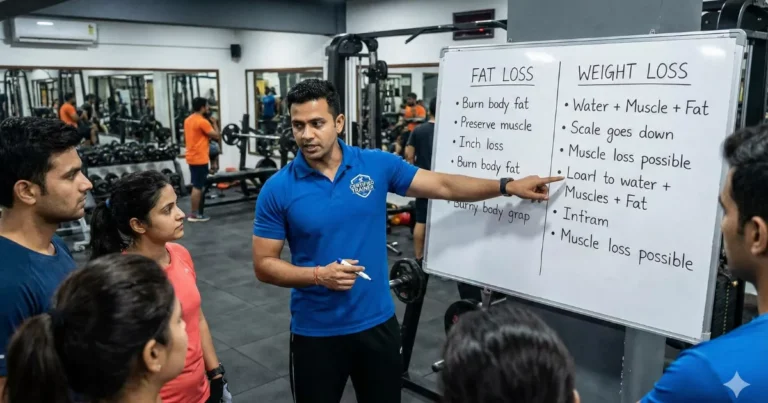
What Are Supplements? 7 Important Facts Beginners Must Know
Introduction
What are supplements? This is one of the most common questions beginners ask when they start learning about fitness and nutrition. Many people see protein powders, multivitamins, and other products online or in gyms and feel confused. Some think supplements are necessary for results, while others believe they are harmful. The truth is somewhere in between.
In simple words, supplements are products designed to add extra nutrients to your diet. They are called “supplements” because they are meant to support your regular food, not replace it. Supplements for beginners can include protein powder, vitamins, minerals, or other nutrients that may be difficult to get in enough quantity from food alone.
In India, busy lifestyles, irregular eating habits, and a lack of awareness often lead people to consider fitness supplements. But before buying anything, it is important to understand the meaning, when they are actually useful, and whether supplements are necessary for you.
In this beginner guide, you will learn what supplements are, how they work, whether supplements are safe, and how to decide if you really need them—without marketing confusion. If your goal is muscle gain or fat loss, understanding the basics of nutrition is important, as explained in what is protein and why is it important.
What Are Supplements?
To properly understand supplements, you need to look at their basic purpose. Supplements are products that provide nutrients like protein, vitamins, minerals, or other compounds that may be missing or low in your regular diet. The word supplement meaning itself tells you that it is something added to complete or improve your nutrition.
Supplements come in different forms such as powders, capsules, tablets, and liquids. For example, a protein supplement helps increase daily protein intake, while multivitamins provide essential micronutrients. These are commonly known as fitness supplements in India, especially among gym beginners.
However, supplements are not magic products. They do not replace healthy meals. Real food should always be your priority. Supplements are designed to support your diet when it is difficult to meet nutritional needs through food alone.
For supplements for beginners, the most important rule is understanding why you need them. Buying products without knowing your goal can waste money and cause confusion. Before asking “which supplement should I take?”, the better question is “do I actually need a supplement?”
Understanding what supplements help you make smarter and safer decisions in your fitness journey.
Why Do People Take Supplements?
The main reason is convenience. Many people struggle to meet their daily nutrition needs through food alone, especially with busy schedules. This is where supplements for beginners sometimes become helpful.
One common reason is muscle building. When someone starts strength training, protein needs increase. If it becomes difficult to consume enough protein from food, a protein supplement can help fill the gap. It is not mandatory, but it can make daily protein intake easier. Before choosing supplements, it’s better to understand training fundamentals in muscle building.
Another reason is nutrient deficiency. Some people lack vitamins like Vitamin D, B12, or iron due to diet patterns or limited sunlight exposure. In such cases, supplements may be recommended by a doctor.
People also take supplements for fat loss support, energy, or general health. However, many beginners buy fitness supplements in India without understanding whether they are actually necessary.
The truth is, supplements are tools—not shortcuts. They support a good diet and exercise routine, but they cannot replace them. Before taking any supplement, it is important to understand your goal and whether you truly need additional support.
Are Supplements Necessary for Beginners?

After understanding supplements, the most important question is: Are supplements necessary for beginners? The honest answer is — not always.
For most beginners, food should always come first. If you are eating balanced meals with enough protein, vegetables, fruits, and healthy fats, you may not need any supplements at all. Many people think supplements are compulsory for results, but that is a myth. Supplements are designed to support your diet, not replace it.
However, in some cases, supplements for beginners can be helpful. For example, if someone struggles to meet daily protein needs due to a busy schedule, a protein supplement can make things easier. Similarly, if a blood test shows a vitamin deficiency, a doctor may recommend specific supplements.
In India, dietary patterns sometimes lack certain nutrients like Vitamin D or B12. In such situations, supplements may be useful under proper guidance. But blindly taking multiple fitness supplements in India without understanding your needs is unnecessary.
The smart approach is simple: fix your diet first. If there is still a gap, then consider supplements carefully.
Common Types of Supplements Explained

After understanding supplements, look at the most common types beginners usually see in gyms or online stores. Knowing the purpose of each supplement helps you avoid confusion.
The most popular is the protein supplement, usually in the form of whey or plant-based protein powder. It helps increase daily protein intake, especially for muscle building. It is not compulsory, but it can be convenient for people who struggle to eat enough protein from food.
Next are multivitamins. These provide a mix of essential vitamins and minerals. They are generally used when someone’s diet lacks variety or when a doctor identifies a deficiency.
Creatine is another well-known supplement used for improving strength and performance in high-intensity workouts. It is one of the most researched fitness supplements in India and worldwide.
Omega-3 supplements support heart and joint health, especially if someone does not consume enough fatty fish.
Then there are fat burners, which are often marketed aggressively. Beginners should be cautious here. Most fat loss comes from proper diet and exercise, not magic pills.
Understanding these types helps you choose wisely instead of following trends.
Are Supplements Safe?
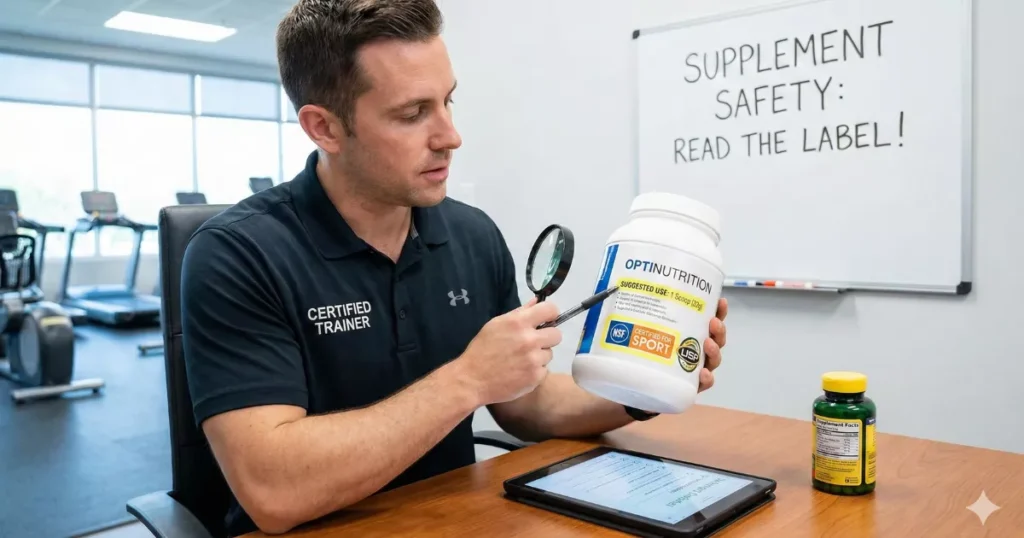
The answer depends on three main factors — quality, dosage, and personal health condition. According to official health authorities, dietary supplements are meant to add nutrients to your diet and should not replace balanced meals.
Most basic supplements like whey protein, creatine, and multivitamins are generally safe for healthy individuals when taken in the correct amount. However, problems usually happen when people take excessive doses or buy low-quality products from unreliable sources. That’s why checking brand credibility and certification is important, especially when buying fitness supplements in India.
Another key point is dosage. More supplements do not mean faster results. Taking higher amounts than recommended can cause digestive issues, kidney stress, or other health problems. Always follow the suggested serving size.
People with medical conditions, such as kidney issues, diabetes, or liver problems, should consult a doctor before taking any supplement. Blood tests can also help identify real nutrient deficiencies instead of guessing.
Supplements are tools, not shortcuts. When used responsibly and with proper knowledge, they can support your goals. But blindly following trends or influencer advice without understanding your body can create unnecessary risks.
Supplements vs Natural Food: What’s Better?

The simple answer is — natural food should always be your foundation.
Whole foods like dal, eggs, paneer, chicken, fruits, vegetables, nuts, and seeds provide not only protein and vitamins but also fiber, antioxidants, and other nutrients that supplements cannot fully replace. Food supports digestion, long-term health, and balanced nutrition in a way that isolated powders or pills cannot.
However, supplements can be useful when food alone does not meet your needs. For example, if your daily protein intake is low due to time or appetite issues, a protein supplement may help fill the gap. This is why supplements for beginners are sometimes recommended — not as a replacement, but as support.
In India, many people depend heavily on carb-based meals. Instead of immediately buying fitness supplements in India, it is smarter to improve meal quality first. Once your diet is consistent, supplements can be considered carefully if required.
The best approach is simple: food first, supplements second. If your basics are strong, supplements become optional — not compulsory.
Common Supplement Myths Beginners Believe
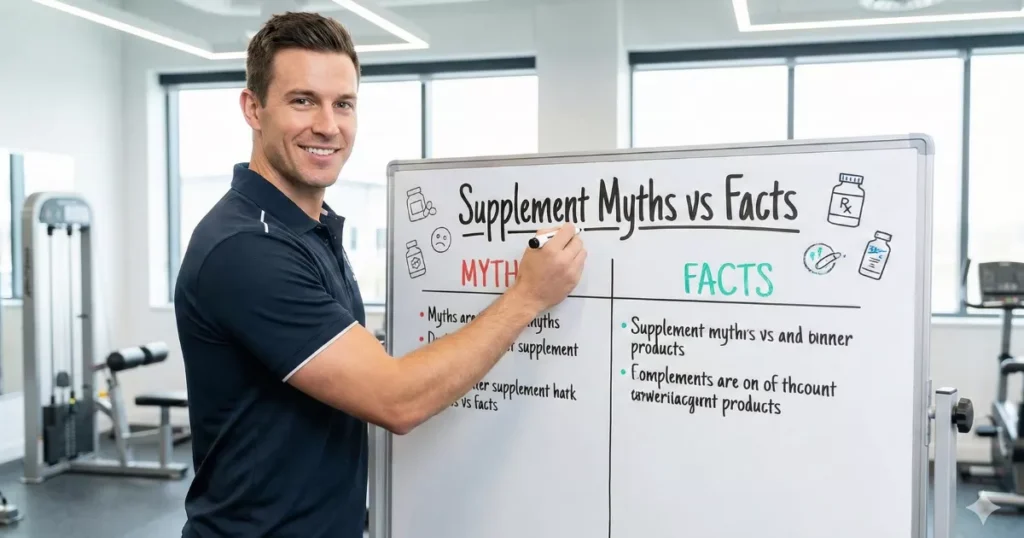
When people first learn about supplements, they often come across many myths that create fear or false expectations. Let’s clear some of the most common ones.
One big myth is “supplements are steroids.” This is not true. Steroids are performance-enhancing drugs that affect hormones, while legal supplements like protein powder, creatine, or multivitamins are simply nutrients. A protein supplement is just concentrated protein from milk or plant sources.
Another common myth is “more supplements mean faster results.” This is completely wrong. Supplements only support your diet. Without proper exercise and balanced food, they will not give magical results. Taking extra doses can even harm your health.
Many beginners also believe “protein powder damages kidneys.” For healthy individuals consuming recommended amounts, research does not show harm. Problems usually arise from excessive intake or pre-existing medical conditions.
Some people think fitness supplements in India are always fake or unsafe. While low-quality products exist, many certified brands are tested and safe when used correctly.
The key is education, not fear. Understand your goal, improve your diet first, and use supplements wisely if needed.
Conclusion
Now you clearly understand supplements, how they work, and whether they are truly necessary. Supplements are not magic solutions, and they are not harmful shortcuts either. They are simply tools designed to support your diet when there is a genuine gap in nutrition.
For most beginners, the smart approach is simple: improve your food habits first. Focus on balanced meals, enough protein, regular exercise, and proper sleep. Once your basics are strong, supplements can be considered carefully if needed. This is especially true for supplements for beginners, where confusion and marketing pressure are very common.
Remember, results come from consistency, not from buying more products. Whether your goal is muscle building, fat loss, or overall health, a structured plan works better than random supplement use.
If you feel unsure about which supplements are actually useful for your body and goals, getting personalised guidance can save time and money. With the right support, you can avoid common mistakes and choose only what truly benefits you.
Train smart. Eat better. Use supplements wisely.
FAQs – What Are Supplements? (Beginner Questions)
1. What are supplements in simple words?
Supplements are products that provide extra nutrients, such as protein, vitamins, or minerals, to support your regular diet.
2. Are supplements necessary for beginners?
Not always. Most beginners can meet their nutritional needs with a balanced diet. Supplements are helpful only when there is a nutritional gap.
3. Is protein powder necessary for muscle building?
No. A protein supplement is convenient but not compulsory if you can meet protein needs through food.
4. Are supplements safe?
Most common supplements are safe when taken in recommended doses and purchased from trusted brands.
5. Do supplements have side effects?
Side effects usually occur due to excessive dosage, poor-quality products, or pre-existing medical conditions.
6. Can I take multiple supplements together?
It depends on your needs. Taking many supplements without guidance is unnecessary and may cause an imbalance.
7. Are supplements better than natural food?
No. Natural food should always be the foundation. Supplements only support your diet.
8. Do fat burners really work?
Most fat burners offer minimal benefit. Fat loss mainly depends on diet, exercise, and consistency.
9. How do I know if I need a supplement?
Blood tests, dietary assessment, and professional guidance help determine whether supplements are required.

Certified Personal Trainer & Nutrition Coach (12+ Years Experience)
Mohammad Hasnain helps beginners understand fat loss, workouts, and nutrition in a simple, practical, and science-based way without extreme diets.
Read more about the author