

What Is the Keto Diet? Important Facts Beginners Should Know
Introduction
What is the keto diet? This is one of the most searched diet questions today, especially among people who want fast fat loss. Many celebrities and influencers talk about the keto diet for beginners as a powerful weight loss method. But before trying it, it is important to clearly understand how it actually works.
In simple words, the keto diet meaning is a low-carbohydrate, high-fat diet that changes the way your body produces energy. Normally, your body uses carbohydrates as its main fuel source. But when you reduce carbs significantly, your body switches to burning fat for energy. This process is called ketosis.
The ketogenic diet, as explained in marketing, often sounds like a quick solution. However, like any diet plan, it has benefits, limitations, and possible side effects. For Indian lifestyles, where rice and roti are common, following a keto diet can feel challenging.
In this beginner-friendly guide, you will learn about the keto diet, how the keto diet works, what foods are allowed, its benefits, and whether it is safe for you. The goal is not to promote or criticise keto, but to help you make an informed decision. If your main goal is fat loss, it’s important to first understand the difference between fat loss vs weight loss.
What Is the Keto Diet?
To clearly understand the keto diet, let’s break it down in the simplest way possible. The keto diet, also called the ketogenic diet, is a low-carb and high-fat eating pattern designed to shift your body’s main fuel source from carbohydrates to fat.
In a normal diet, most of your calories come from carbs like rice, roti, bread, fruits, and sugar. Your body breaks these carbs into glucose and uses it for energy. But in the keto diet for beginners, carbohydrate intake is reduced drastically—usually to around 20–50 grams per day. This forces the body to look for an alternative energy source.
When carbs are low, your liver starts converting fat into molecules called ketones. Your body then uses these ketones for fuel. This state is known as ketosis. That is the basic keto diet meaning—training your body to burn fat instead of carbs.
The ketogenic diet, explained in simple terms, is not about eating unlimited fat. It is about carefully controlling carb intake while maintaining moderate protein and higher healthy fat intake.
For Indian diets, which are usually carb-heavy, understanding what is the keto diet is helps you decide whether such a drastic shift is practical and sustainable for your lifestyle.
How Does the Keto Diet Work?
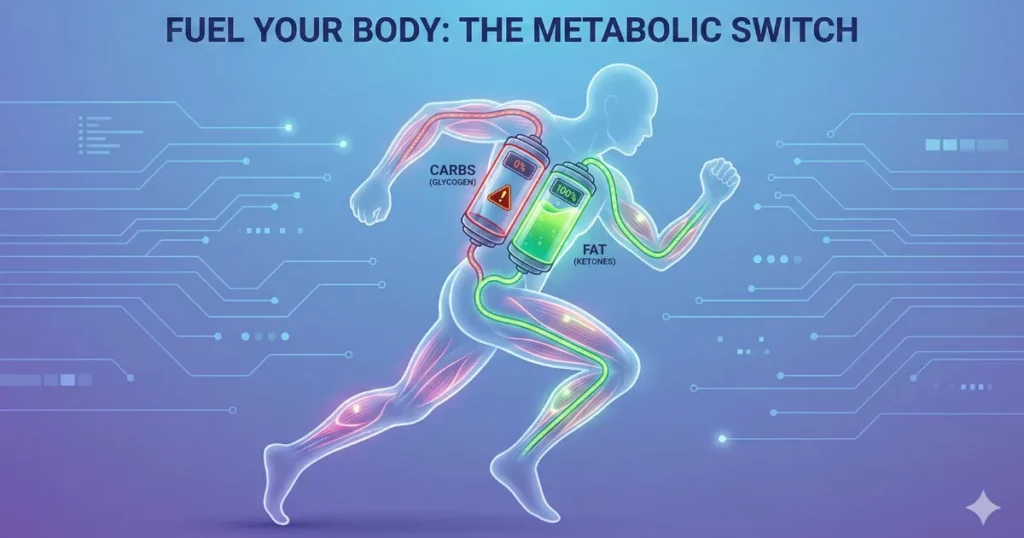
Normally, your body prefers carbohydrates as its main source of energy. When you eat rice, roti, bread, or sugary foods, your body breaks them down into glucose and uses it for fuel.
In the keto diet for beginners, carb intake is reduced significantly. When your body does not get enough carbohydrates, it starts using stored fat for energy instead. The liver converts fat into molecules called ketones, and this metabolic state is known as ketosis. According to medical experts, the ketogenic diet is designed to shift the body into a state of ketosis by significantly reducing carbohydrate intake.
This shift from burning carbs to burning fat is the core idea behind the ketogenic diet, explained in simple terms. Because insulin levels drop and fat becomes the primary fuel source, many people experience fat loss during this process.
However, entering ketosis does not happen instantly. It usually takes a few days of very low-carb intake. During this transition, some people feel tired, irritated, or low on energy. This temporary phase is often called the “keto flu.”
Understanding how the keto diet works helps beginners realise that it is not magic—it is simply a metabolic change in how your body produces energy.
What Can You Eat on the Keto Diet?

Since the keto diet is very low in carbohydrates, foods like rice, roti, bread, pasta, sugar, and most sweets are restricted. Even high-carb fruits like bananas and mangoes are usually avoided. This is one of the biggest challenges for people following the keto diet in India, where carb-based meals are common.
Allowed foods mainly include healthy fats and moderate protein. Examples are eggs, paneer, chicken, fish, butter, ghee, coconut oil, olive oil, nuts, seeds, and low-carb vegetables like spinach, cabbage, cauliflower, and cucumber. Cheese and full-fat dairy are also common in keto diet plans.
Protein intake is kept moderate—not extremely high—because too much protein can interfere with ketosis. The focus is on healthy fats as the main energy source.
For the keto diet for beginners, planning meals properly is very important. Randomly cutting carbs without understanding food choices can lead to nutrient imbalance.
Before starting, make sure the foods available in your daily routine can support this eating pattern sustainably.
Also Read: What Is Protein and Why Is It Important? Benefits & Daily Needs
Benefits of the Keto Diet
The most commonly discussed benefit is fat loss. Since the keto diet shifts your body into burning fat for energy, many individuals experience noticeable weight reduction, especially in the initial weeks. This is one reason why the keto diet for beginners often attracts attention.
Another potential benefit is appetite control. High-fat and moderate-protein meals tend to keep you full for longer periods. Many people report reduced hunger and fewer cravings compared to high-carb diets.
The ketogenic diet, explained from a health perspective, also shows possible benefits for blood sugar control. Lower carbohydrate intake can reduce blood sugar spikes, which may help people with insulin resistance. However, individuals with medical conditions should consult a doctor before trying it.
Some people also report improved mental clarity and stable energy levels once their body adapts to ketosis. But these experiences can vary from person to person.
It’s important to remember that benefits depend on proper planning. Simply cutting carbs without balancing nutrients can create problems instead of results.
Understanding both advantages and limitations helps you decide if the keto diet suits your lifestyle and goals.
Possible Side Effects of Keto
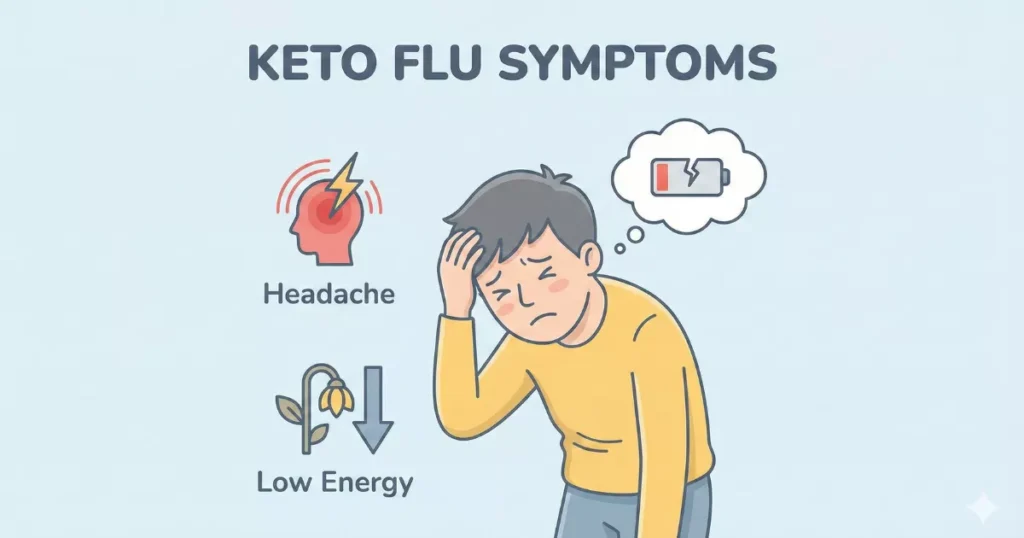
The keto diet for beginners can feel challenging, especially in the first few days.
One common issue is the “keto flu.” When your body shifts from burning carbs to burning fat, you may experience headaches, fatigue, dizziness, irritability, or low energy. This usually happens during the first week as your body adapts to ketosis.
Another concern is nutrient deficiency. Since many fruits, whole grains, and legumes are restricted, some vitamins, minerals, and fiber intake may decrease. Poor planning can lead to constipation or digestive discomfort.
Some people also notice muscle cramps or weakness, especially if electrolyte balance (like sodium and potassium) is not maintained. Drinking enough water and consuming mineral-rich foods becomes important.
For individuals with certain medical conditions—like diabetes, kidney issues, or liver problems—the ketogenic diet explained without medical supervision can create risks. That’s why professional guidance is recommended before starting.
The keto diet is not dangerous for everyone, but it is not suitable for everyone either. Understanding both benefits and side effects helps you make a smart decision instead of blindly following trends.
Is the Keto Diet Safe for Beginners?
The answer depends on your health condition, lifestyle, and how well you plan your meals.
For healthy individuals, the keto diet for beginners can be followed safely for a short period if done correctly. However, it requires discipline and proper knowledge. Cutting carbohydrates drastically without planning can lead to fatigue, mood changes, and nutrient imbalance.
In India, where rice, roti, and traditional carb-based meals are common, following a strict ketogenic diet can be socially and practically challenging. Many people find it difficult to maintain long-term. Sustainability is a major factor in diet success.
People with diabetes, thyroid issues, kidney problems, or liver conditions should consult a doctor before starting keto. Sudden dietary changes can affect blood sugar levels and medication response.
It can work for some people, but it is not necessary for everyone. A balanced diet combined with regular exercise often gives similar long-term results without extreme restrictions.
Also Read: What Is Exercise and Why Is It Important? Benefits Explained
Keto Diet vs Balanced Diet
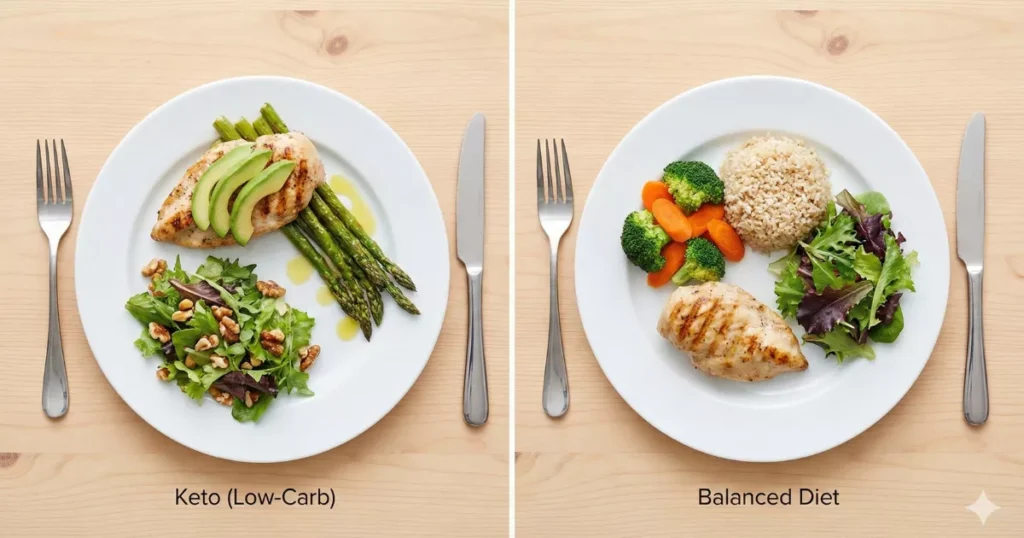
This helps beginners decide which approach is more practical and sustainable. The keto diet focuses on very low carbohydrate intake and higher fat consumption to keep the body in ketosis.
It can lead to fat loss, especially in the beginning. However, it requires strict food control and long-term discipline. For many people, especially in India, avoiding rice, roti, fruits, and many traditional foods can feel restrictive.
A balanced diet, on the other hand, includes carbohydrates, protein, and healthy fats in proper portions. Instead of eliminating carbs, it focuses on portion control and the quality of food. Whole grains, vegetables, fruits, lean protein, and healthy fats are included. This approach is generally easier to follow long-term.
A balanced diet works by controlling calories and improving food quality. Both can support fat loss, but sustainability matters more than speed.
For most beginners, a balanced diet combined with exercise is easier to maintain. Keto may work for some, but it is not the only path to results.
Conclusion (Soft CTA)
The ketogenic diet is a low-carb, high-fat eating pattern that shifts your body into burning fat for energy. It can support fat loss, but it is not a magic solution.
For beginners, the most important factor is sustainability. Any diet that you cannot follow consistently will not give long-term results. The keto diet for beginners may work well for some people, but for others, especially in Indian lifestyles with carb-based meals, it can feel restrictive and difficult to maintain.
Before starting the keto diet, ask yourself whether it fits your routine, health condition, and food preferences. In many cases, a balanced diet combined with regular exercise can provide similar benefits without extreme restrictions.
If you are unsure whether keto is right for you, getting proper guidance can help you avoid common mistakes. A personalised nutrition plan based on your goals, lifestyle, and medical background is always more effective than blindly following trends.
Choose a diet you can sustain. Stay consistent. Results will follow.
Also Read: What Is Protein and Why Is It Important? Benefits & Daily Needs
FAQs – What Is the Keto Diet? (Beginner Questions)
1. What is the keto diet in simple words?
The keto diet is a low-carbohydrate, high-fat diet that shifts your body from using carbs to using fat for energy.
2. How does the keto diet work?
When you reduce carbs significantly, your body enters ketosis, where it burns fat and produces ketones for fuel.
3. Is the keto diet safe for beginners?
It can be safe for healthy individuals if planned properly, but people with medical conditions should consult a doctor first.
4. How long does it take to see results on keto?
Some people notice changes within 2–4 weeks, especially in water weight and appetite control.
5. Can vegetarians follow the keto diet?
It is possible but more challenging, as many vegetarian protein sources also contain carbs.
6. What foods are not allowed on keto?
Rice, roti, bread, sugar, sweets, most fruits, and high-carb processed foods are usually restricted.
7. Does keto help with fat loss?
Yes, keto can support fat loss by shifting the body into burning fat for energy, but consistency matters more than the diet type.
8. What is keto flu?
Keto flu refers to temporary symptoms like headache, fatigue, and irritability during the first week of starting keto.
9. Is keto better than a balanced diet?
Not necessarily. Both can support fat loss. The best diet is one you can maintain long term.

Certified Personal Trainer & Nutrition Coach (12+ Years Experience)
Mohammad Hasnain helps beginners understand fat loss, workouts, and nutrition in a simple, practical, and science-based way without extreme diets.
Read more about the author