
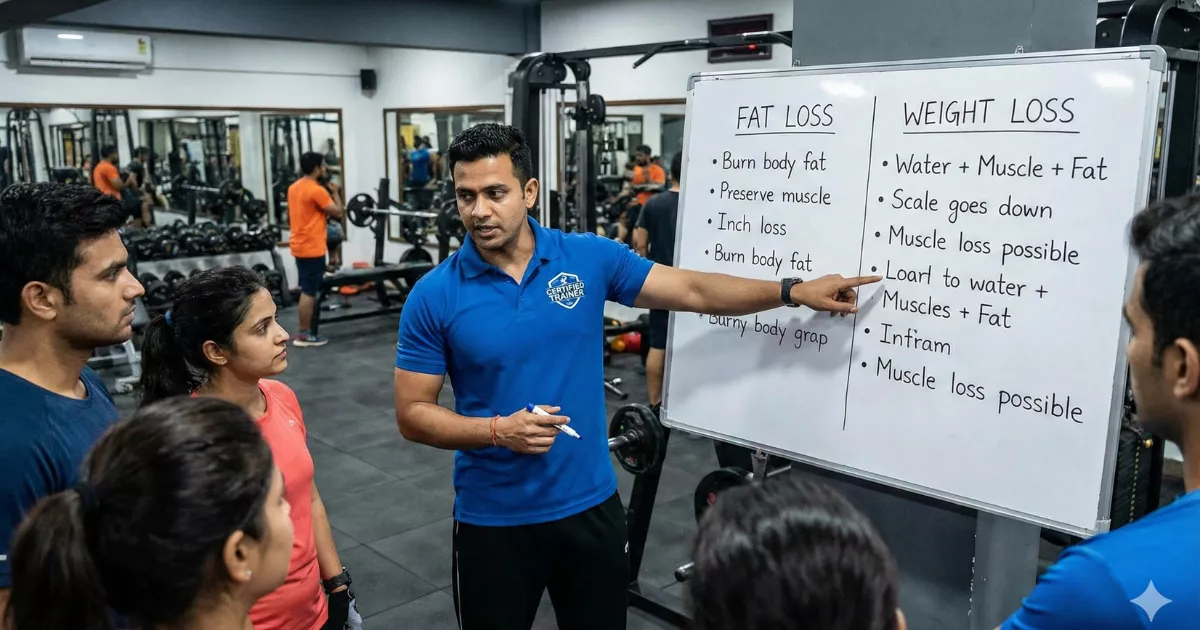
Fat Loss vs Weight Loss: What’s the Real Difference?
Fat loss vs weight loss is one of the most confusing topics for beginners. Many people think that if the number on the weighing scale is going down, they are automatically getting fitter. But in reality, weight loss and fat loss are not the same thing, and understanding this difference can completely change your fitness results.
Weight loss simply means your total body weight has reduced. This weight can come from fat, muscle, or even water. On the other hand, fat loss means your body is specifically losing stored fat while trying to maintain muscle. This is why two people with the same weight can look completely different.
In India, many people follow crash diets, skip meals, or do too much cardio just to see fast weight loss. The scale may go down, but energy levels drop, muscles become weak, and fat often comes back quickly. This leads to frustration and the feeling that “nothing works.”
In this article, you will clearly understand fat loss vs weight loss, why the scale can be misleading, and which one you should actually focus on for long-term health. If you are a beginner, this simple explanation will help you choose the right path instead of chasing the wrong numbers.
What Is Weight Loss?
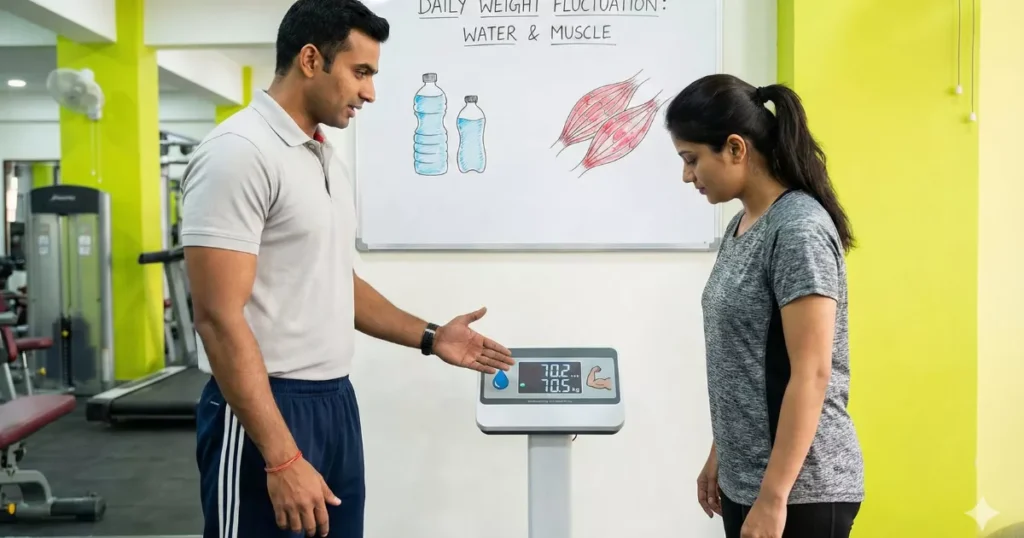
Weight loss means a reduction in your total body weight. This number includes everything in your body—fat, muscle, water, food in your stomach, and even waste. When you step on a weighing scale and see a lower number, that is weight loss. But this does not automatically mean fat loss.
Many beginners lose weight very fast in the first few weeks by cutting food, skipping meals, or doing excessive cardio. Most of this early weight loss comes from water weight and muscle loss, not fat. This is why the scale drops quickly, but the body may start looking weak or skinny instead of fit.
Weight loss can also fluctuate daily. Eating salty food, having more carbohydrates, poor sleep, or stress can increase water retention and show higher weight the next day. This confuses beginners and often kills motivation.
The biggest problem with focusing only on weight loss is that it does not tell the full story. You might be losing muscle, which slows down metabolism and makes long-term fat loss harder. That’s why many people lose weight but still look “soft” or regain weight easily.
Weight loss is not bad, but weight loss without understanding fat loss can be misleading.
What Is Fat Loss?
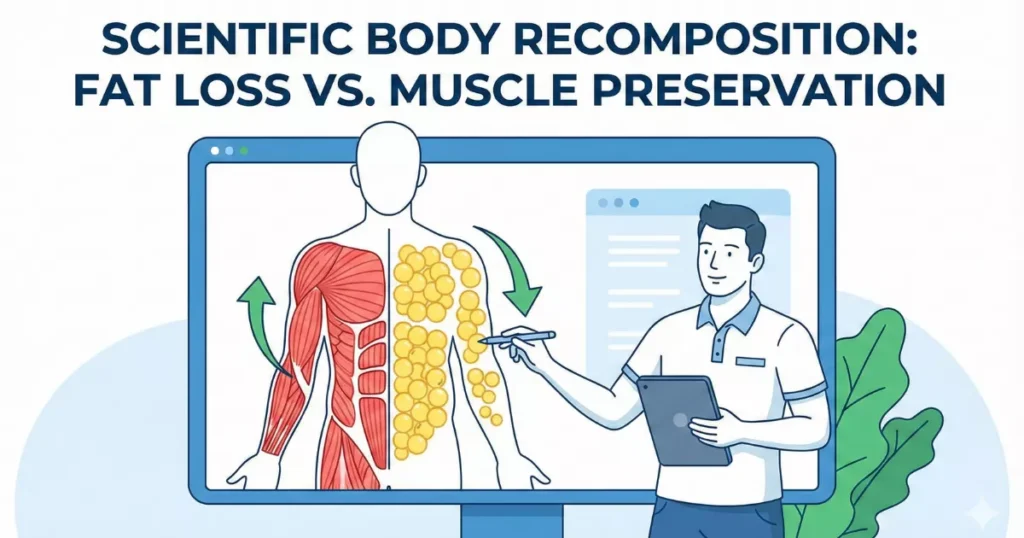
Fat loss means reducing the stored body fat while trying to maintain or even build muscle. This is the type of progress most people actually want, even if they don’t realise it. When you lose fat, your body shape improves, clothes fit better, and you start looking leaner and healthier—even if the scale does not change much.
Unlike weight loss, fat loss is usually slower and more stable. Fat is stubborn, and the body does not burn it overnight. That’s why people focusing on fat loss may feel frustrated at first when the weighing scale doesn’t move. But visually and physically, they feel stronger and more energetic.
During fat loss, you may notice better muscle definition, improved strength, and higher energy levels. This happens because muscle is preserved with the help of adequate protein intake and strength training. In some cases, beginners even gain a little muscle while losing fat, which can keep body weight the same.
Fat loss is also better for long-term health. It reduces the risk of lifestyle diseases, improves metabolism, and is easier to maintain over time. Instead of chasing quick results, focusing on fat loss helps you build a body that looks fit and performs well.
Fat Loss vs Weight Loss: Key Differences
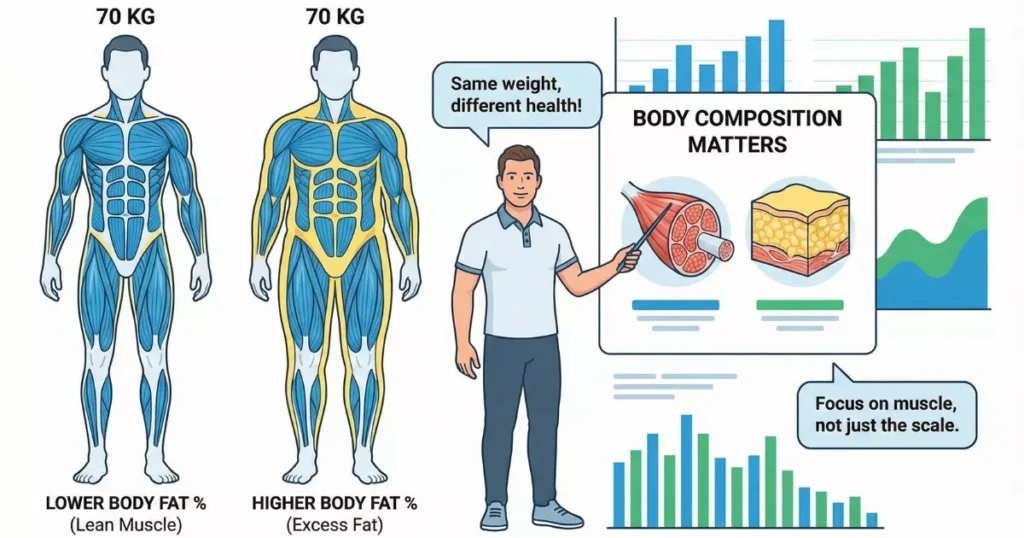
Understanding the difference between fat loss and weight loss becomes much easier when you compare them side by side. This comparison helps beginners stop obsessing over the weighing scale and start focusing on real progress.
| Point | Weight Loss | Fat Loss |
|---|---|---|
| What reduces | Total body weight | Stored body fat |
| Scale result | Goes down quickly | May stay same or slow |
| Muscle impact | Muscle loss possible | Muscle mostly preserved |
| Body shape | Can look weak or flat | Leaner and toned look |
| Energy levels | Often low | Better and stable |
| Long-term result | Hard to maintain | Easier to maintain |
Weight loss can happen by eating very little, skipping meals, or losing water weight. Fat loss, on the other hand, requires a balanced approach—proper nutrition, enough protein, strength training, and good recovery.
This is why many people say, “My weight is not changing, but my clothes feel loose.” That is a classic sign of fat loss. The scale does not always show fat loss, but your mirror, strength, and measurements do.
If your goal is to look fit, feel strong, and stay healthy, fat loss should be your main focus—not just a lower number on the scale. According to research-based health sources, fat loss focuses on reducing body fat percentage rather than just body weight.
Why Scale Weight Can Confuse Beginners

For most beginners, the weighing scale becomes the only way to measure progress. But the truth is, scale weight can be very misleading, especially when your goal is fat loss. Your body weight can change daily due to many reasons that have nothing to do with fat.
One major reason is water retention. Eating salty food, high-carb meals, poor sleep, stress, or even hormonal changes can make your body hold extra water. This can increase your weight by 1–2 kg overnight, even though you didn’t gain fat.
Another factor is muscle gain. When beginners start strength training, the body may build muscle while losing fat. Since muscle is denser than fat, your weight may stay the same or even increase slightly, but your body will look leaner and tighter.
Food inside your stomach, digestion speed, and bowel movements also affect scale weight. That’s why weighing yourself multiple times a day or daily can create unnecessary stress and confusion.
Instead of checking weight daily, beginners should track progress using body measurements, clothes fit, strength levels, and progress photos. The scale is just one tool—not the final judge of your fitness journey.
Which Is Better: Fat Loss or Weight Loss?
As a personal trainer, this is one question I hear all the time: Should I focus on fat loss or weight loss? The clear and honest answer for most beginners is fat loss.
Weight loss only tells you that your body weight is going down. It does not tell you what you are losing. You could be losing water or muscle, which can make you look weaker and feel tired. Fat loss, on the other hand, focuses on reducing body fat while keeping your muscles strong. This leads to a better body shape, higher strength, and improved health.
For Indian body types and lifestyles, fat loss is a smarter goal. Many people eat carb-heavy meals and sit for long hours. If they only chase weight loss by eating very little or doing too much cardio, the body slows down and fat loss becomes harder in the long run.
Fat loss may not always show quick results on the weighing scale, but it gives long-lasting results. You look fitter, clothes fit better, and energy levels stay high. Weight loss without fat loss often leads to weight regain, also known as yo-yo dieting.
So if you want a healthy, sustainable, and confident body, stop chasing the scale. Chase fat loss instead.
How to Focus on Fat Loss (Not Just Weight Loss)

If your goal is fat loss, your approach needs to be smart and balanced, not extreme. The first and most important step is eating enough protein. Protein helps preserve muscle, improves recovery, and keeps you full for longer. When protein intake is low, the body loses muscle instead of fat.
The second key factor is strength training. Many beginners think cardio is the only way to lose fat, but strength training plays a huge role. Lifting weights or doing bodyweight exercises helps maintain muscle and increases calorie burning even at rest.
Daily movement also matters. You don’t need intense workouts every day. Simple habits like walking more, taking stairs, and staying active during the day support fat loss without stressing the body.
Another often ignored factor is sleep and stress. Poor sleep and high stress increase fat storage hormones and slow down recovery. Even the best diet and workouts won’t work properly if sleep is ignored.
Lastly, be patient and consistent. Fat loss is slow but steady. Avoid crash diets and shortcuts. When you focus on proper nutrition, training, and recovery together, fat loss becomes natural and sustainable.
Common Myths About Fat Loss & Weight Loss
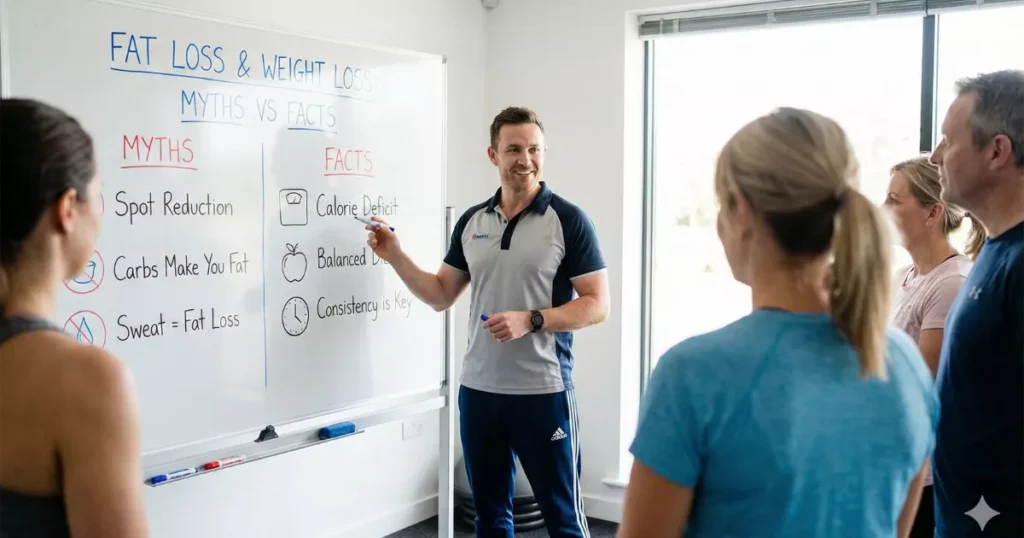
Many myths around fat loss and weight loss confuse beginners and slow down progress. One of the biggest myths is “if my weight is going down, I am losing fat.” This is not always true. As you learned earlier, weight loss can come from water loss or muscle loss, not just fat.
Another common myth is “doing more cardio means faster fat loss.” Excessive cardio without proper nutrition and strength training often leads to muscle loss and fatigue. Cardio is helpful, but fat loss works best when combined with strength training and enough protein.
Many people also believe “if weight increases, fat increases.” In reality, beginners often gain muscle while losing fat. This can increase weight slightly, but the body looks leaner and stronger. This is a good sign, not a bad one.
Some think “eating less is the only way to lose fat.” Eating too little slows down metabolism and makes fat loss harder over time. Your body needs fuel to burn fat efficiently.
The biggest myth of all is looking for quick results. Fat loss is not instant—it requires patience, consistency, and a smart approach. Once you understand these myths, your fitness journey becomes much smoother and more successful.
Also Read: What Is Fitness? 5 Powerful Secrets Every Beginner Should Know
Conclusion
When it comes to fitness, understanding the difference between fat loss and weight loss can save you from years of frustration. Weight loss only shows a number on the scale, while fat loss shows real progress in your body, health, and confidence. That’s why focusing only on the weighing scale often leads to wrong decisions and poor results.
Fat loss is about losing excess body fat while keeping your muscles strong. This makes your body look leaner, improves strength, and supports long-term health. Weight loss without fat loss can make you look weak, slow down metabolism, and cause weight regain later.
For beginners, especially in India, the smartest approach is to focus on good nutrition, enough protein, strength training, daily movement, proper sleep, and patience. You don’t need extreme diets or endless cardio. Small, consistent habits bring the best results.
Instead of asking, “How fast is my weight dropping?”, start asking, “Am I getting stronger? Do my clothes fit better? Do I feel more energetic?” These are real signs of fat loss.
If you want sustainable results and a healthy body, stop chasing the scale and start focusing on fat loss the right way.
FAQs – Fat Loss vs Weight Loss (Beginner Questions)
1. What is the main difference between fat loss and weight loss?
Weight loss means losing total body weight, which can include water and muscle. Fat loss means specifically losing body fat while keeping muscle.
2. Which is better: fat loss or weight loss?
Fat loss is better because it improves body shape, strength, and health, and is easier to maintain long-term.
3. Can weight increase during fat loss?
Yes. Beginners may gain muscle while losing fat, which can keep weight the same or slightly higher.
4. Why is the weighing scale not reliable for fat loss?
Scale weight changes due to water, food, and muscle gain, not just fat. This makes it misleading.
5. How can I measure fat loss at home?
You can track progress using body measurements, clothes fit, progress photos, and strength improvement.
6. Does cardio help in fat loss?
Yes, but cardio alone is not enough. Fat loss works best with strength training and proper nutrition.
7. Do I need to eat less to lose fat?
No. Eating too little slows metabolism. You need balanced meals with enough protein and calories.
8. How long does fat loss take for beginners?
Fat loss is slow and steady. Visible results usually appear in a few weeks with consistency.
9. Can I lose fat without losing weight?
Yes. This is common when you gain muscle and lose fat at the same time.

Certified Personal Trainer & Nutrition Coach (12+ Years Experience)
Mohammad Hasnain helps beginners understand fat loss, workouts, and nutrition in a simple, practical, and science-based way without extreme diets.
Read more about the author

One Comment