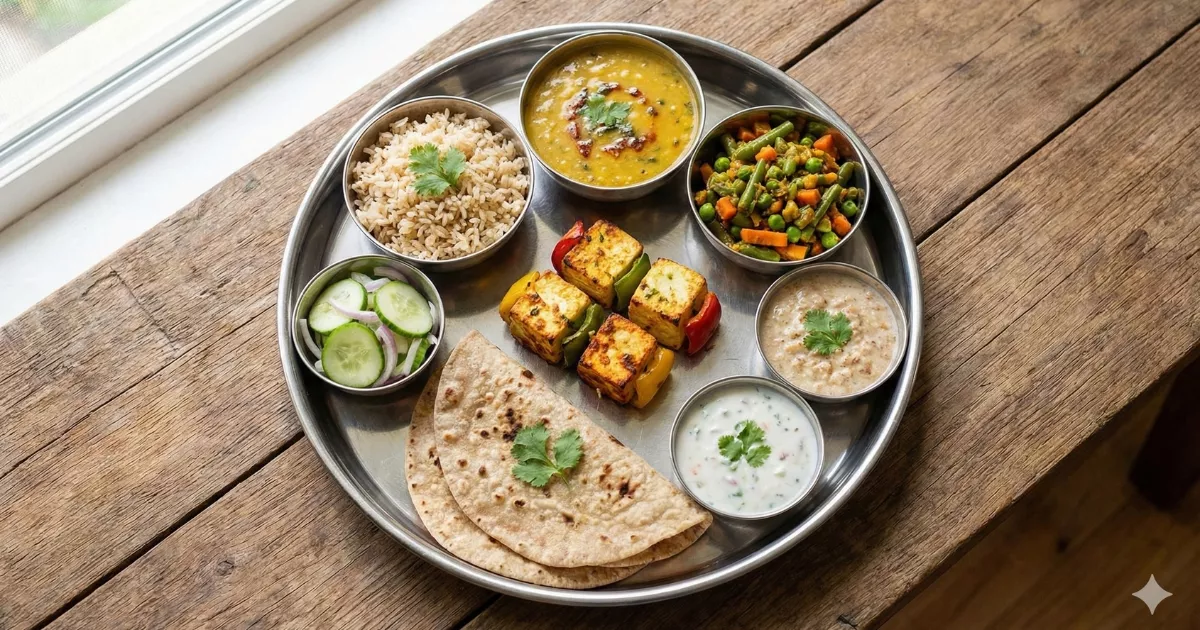
Carbohydrates: Good vs Bad for Beginners (Complete Guide)
If you are starting your fitness journey, one question must have confused you — Are carbohydrates bad? Many beginners completely stop eating rice or roti because someone told them carbs make you fat.
This confusion is very common.
The truth is, carbohydrates are not the enemy. But yes, all carbs are not the same. That’s why understanding carbohydrates good vs bad for beginners is very important.
As a personal trainer, I have seen many Indian beginners cut carbs suddenly. They feel low energy, get tired in workouts, and sometimes even quit the gym. This happens because carbs are your body’s main energy source.
The real problem is not carbs. The real problem is choosing the wrong type of carbs and eating them in excess.
In this guide, I will explain the difference between good carbs vs bad carbs in very simple language. You will understand which carbs support fat loss and muscle gain, and which ones slow down your progress.
Let’s start by understanding what carbohydrates actually are.
If you are new to nutrition basics, first read our complete guide on “Common Fitness Mistakes Beginners Make” to avoid early diet and workout errors.
What Are Carbohydrates?
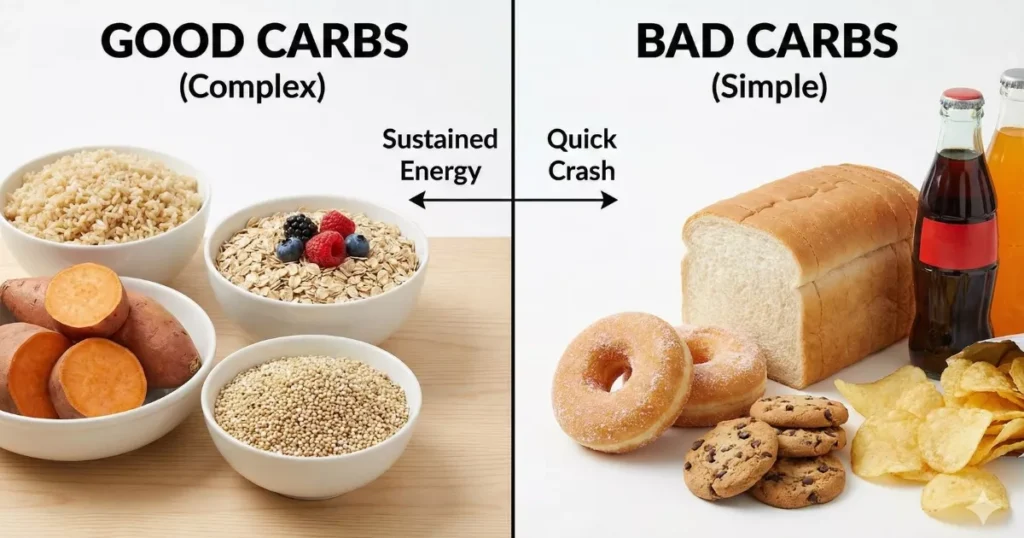
Before understanding carbohydrates good vs bad for beginners, let’s first understand what carbohydrates actually are.
Carbohydrates are one of the three main macronutrients — protein, fats, and carbs. Among these, carbs are your body’s primary source of energy. When you eat carbs, your body converts them into glucose, which gives fuel to your brain and muscles.
That means if you remove carbs completely, your energy levels may drop — especially during workouts. According to the World Health Organisation, reducing added sugar intake lowers the risk of obesity and lifestyle diseases.
In an Indian diet, common carbohydrate sources are:
- Rice
- Roti (wheat chapati)
- Poha
- Idli
- Fruits
- Potatoes
Now here is where confusion starts. Some carbs digest slowly and keep you full for longer. Others digest very fast and spike your blood sugar.
This is why beginners must understand the difference between simple vs complex carbohydrates. Not all carbs are bad for weight loss. The type and quantity matter more than just removing them completely.
In the next section, we will clearly separate good carbs vs bad carbs with practical examples.
Good Carbs vs Bad Carbs (Easy Comparison for Beginners)
Now, let’s clearly understand carbohydrates good vs bad for beginners in simple terms.
The difference is mainly about how fast they digest and how they affect your blood sugar.
Good Carbs (Complex Carbohydrates)
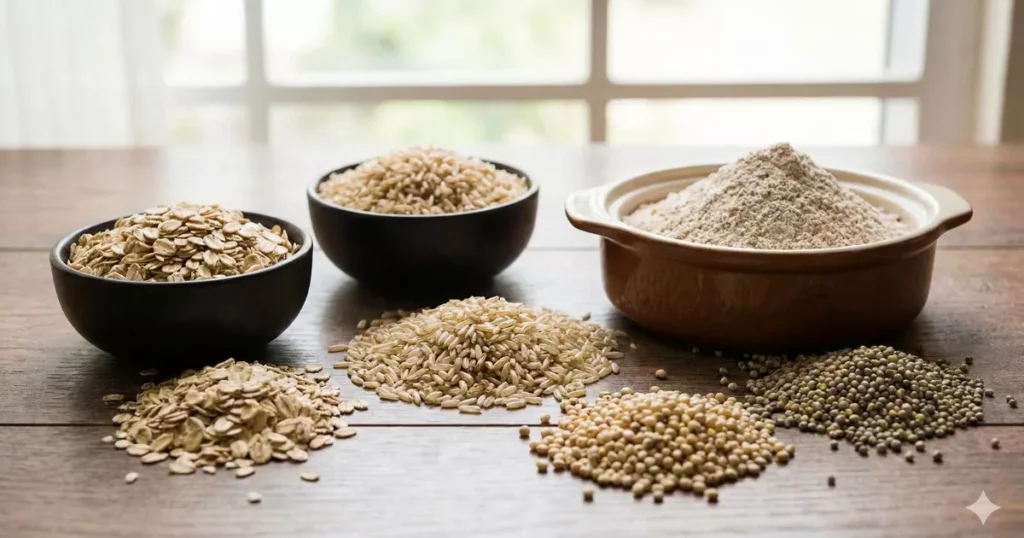
These digest slowly and give steady energy. They keep you full for longer and help in fat loss when eaten in proper portions.
Examples in the Indian diet:
- Brown rice
- Oats
- Whole wheat roti
- Millets (jowar, bajra)
- Sweet potato
- Fruits
These are also called complex carbohydrates because they contain fibre.
Bad Carbs (Simple / Refined Carbohydrates)

These digest quickly and cause sudden blood sugar spikes. They don’t keep you full for long.
Examples:
- White bread
- Bakery items
- Sugary drinks
- Sweets
- Packaged snacks
According to the World Health Organisation, high intake of added sugars increases the risk of obesity and lifestyle diseases.
So remember — carbs are not bad. Refined and excessive carbs are the real issue.
Are Carbs Bad for Weight Loss?

This is one of the most common questions beginners ask — Are carbs bad for weight loss?
The simple answer is: No, carbs are not bad for fat loss. Overeating is.
Many beginners remove rice and roti completely because they think carbs cause belly fat. But fat gain happens when you eat more calories than your body needs — not because of one specific nutrient.
In fact, good carbohydrates help you:
- Maintain workout energy
- Improve performance
- Prevent muscle loss
- Stay mentally active
If you remove carbs completely, you may feel weak, irritable, and tired during workouts. This often leads to quitting the plan.
Instead of cutting carbs, focus on:
- Choosing complex carbohydrates
- Controlling portion size
- Avoiding sugary and refined foods
- Balancing carbs with protein and healthy fats
For Indian beginners, a balanced plate with roti or rice in a controlled quantity is perfectly fine.
In the next section, we will discuss how many carbs beginners actually need daily.
How Much Carbohydrate Do Beginners Need?
Now that you understand carbohydrates good vs bad for beginners, the next important question is — how many carbs should you eat daily?
The answer depends on your goal.
- If your goal is fat loss, carbs should be moderate.
- If your goal is muscle gain, carbs can be slightly higher.
- If you are very active, your carb requirement increases.
For most Indian beginners, a simple rule works well:
- 40–50% of total daily calories from carbohydrates
- Focus on complex carbs
- Spread carbs across 3–4 meals
As per the Harvard T.H. Chan School of Public Health, choosing whole grains over refined carbohydrates supports better long-term health and weight management.
For example, a beginner trying to lose weight can:
- Eat 1–2 rotis instead of 3–4
- Replace white rice with brown rice sometimes
- Add vegetables with every carb meal
The key is portion control, not elimination.
If you are training regularly, carbs before a workout can improve performance. A banana, oats, or roti with vegetables works well.
In the next section, I will explain common carb mistakes beginners make.
Common Carb Mistakes Beginners Make
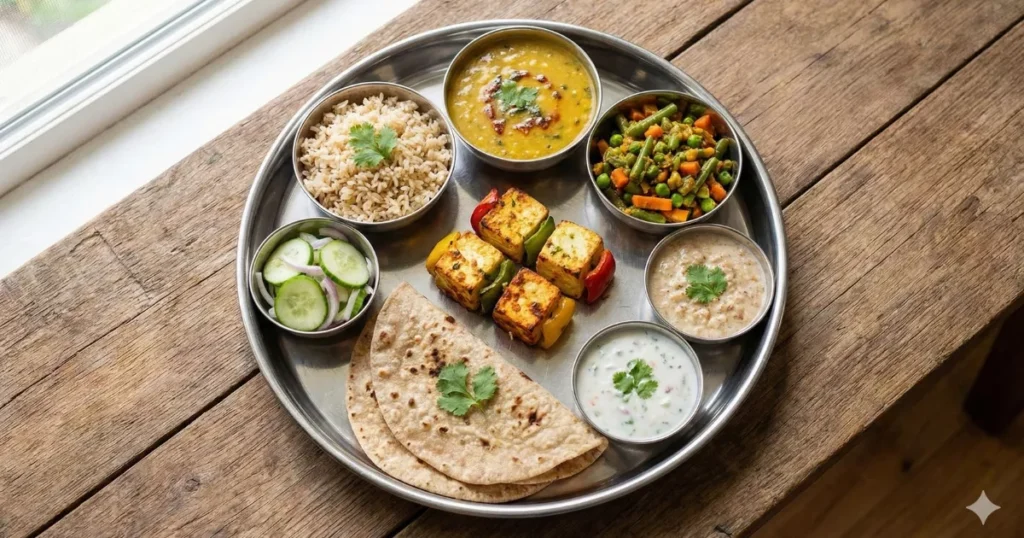
Even after understanding carbohydrates good vs bad for beginners, many people still make simple mistakes.
Let’s correct them.
1. Completely Removing Carbs
This is the biggest mistake. When beginners stop eating rice and roti suddenly, energy drops. Workouts suffer. Sustainability becomes difficult.
2. Eating “Healthy” Carbs in Unlimited Quantity
Brown rice is healthy, but eating 4 large bowls will still slow fat loss. Portion control matters more than the label.
3. Ignoring Protein Balance
Some beginners eat only carbs and very little protein. This can slow muscle growth and recovery.
4. Overeating Refined Snacks
Biscuits, namkeen, sugary tea, packaged juices — these hidden carbs add up quickly.
A balanced Indian plate should include:
- Controlled portion of roti or rice
- Good protein source (dal, paneer, eggs, chicken)
- Vegetables
- Healthy fats
Smart choices make carbs your friend, not your enemy.
Now you clearly understand carbohydrates good vs bad for beginners.
Carbs are not your enemy. They are your body’s main energy source. The real difference comes from the type of carbs you choose and the quantity you eat.
Good carbs like oats, whole wheat roti, fruits, millets, and brown rice support energy, workouts, and muscle recovery. On the other hand, refined carbs like sugary drinks, sweets, and bakery items can slow your fat loss if eaten regularly.
As a beginner, your goal should not be to fear carbs. Your goal should be to control portions, choose better sources, and balance them with protein and healthy fats.
Fitness becomes simple when you stop following extreme advice and start focusing on the basics.
If you want to build a sustainable fat loss or muscle gain plan, start with understanding your plate first. Small smart nutrition changes create long-term results.
Explore more beginner-friendly nutrition guides on our blog to strengthen your fitness foundation step by step.
For complete nutrition clarity, also explore our guide on “Protein Intake for Beginners in India.
FAQs – Carbohydrates: Good vs Bad for Beginners
1. Are carbohydrates bad for beginners trying to lose weight?
No, carbohydrates are not bad for beginners. Fat loss depends on total calorie intake. Choosing complex carbs and controlling portions is more important than removing carbs completely.
2. What is the difference between good carbs vs bad carbs?
Good carbs are complex carbohydrates that digest slowly and provide steady energy. Bad carbs are refined carbohydrates that cause quick blood sugar spikes and don’t keep you full for long.
3. Can I eat rice during fat loss?
Yes, you can eat rice in controlled portions. Instead of eliminating it, focus on portion control and balance it with protein and vegetables.
4. How many carbs should a beginner eat daily?
Most beginners can consume 40–50% of daily calories from carbohydrates, depending on activity level and fitness goals.
5. Are fruits considered good or bad carbs?
Fruits are good carbs because they contain natural sugars along with fiber, vitamins, and minerals.
6. Should beginners avoid carbs at night?
There is no strict rule to avoid carbs at night. Total daily calorie balance matters more than meal timing.
7. Are low-carb diets safe for beginners?
Low-carb diets can work for some people, but extreme carb restriction may reduce energy levels. Beginners should avoid drastic changes.
8. What are healthy carb options in an Indian diet?
Healthy options include whole wheat roti, brown rice, oats, millets (jowar, bajra), fruits, and sweet potatoes.
9. Do carbs help in muscle building?
Yes, carbohydrates provide energy for strength training and help in muscle recovery when combined with protein.

Certified Personal Trainer & Nutrition Coach (12+ Years Experience)
Mohammad Hasnain helps beginners understand fat loss, workouts, and nutrition in a simple, practical, and science-based way without extreme diets.
Read more about the author