What Is Exercise and Why Is It Important? Benefits Explained
What is exercise and why is it important? —This question comes to almost every beginner’s mind when they start thinking about a healthy lifestyle. Many people associate exercise only with gyms or heavy workouts, which is why they are afraid to even begin. But the truth is, exercise doesn’t just mean lifting weights or running on a treadmill.
In simple terms, exercise is any planned physical activity that makes your body strong, active, and healthy. Walking, stretching, yoga, cycling, or light bodyweight movements—these are all examples of exercise. Regular exercise is essential for both the body and mind, whether you are a beginner or already active.
In today’s Indian lifestyle, spending a lot of time sitting while working, using mobile phones, and a lack of physical movement have become common. Because of this, fatigue, weight gain, stress, and health problems are increasing. This is where the role of exercise becomes very important.
In this article, you will understand what exercise is, the importance of exercise, and how incorporating exercise into your daily life can improve your energy, health, and overall fitness—without any complicated terms.
What Is Exercise?
Exercise means any planned and structured physical activity that you do to improve your health, fitness, and overall body function. In simple words, when you move your body with a purpose—like to become stronger, fitter, or more active—that movement is called exercise.
Many beginners think exercise means only gym workouts or heavy training, but that’s not true. Exercise can be as simple as brisk walking, stretching, yoga, cycling, skipping, or basic bodyweight movements like squats and push-ups. The goal of exercise is not to exhaust yourself, but to challenge your body healthily.
The main difference between normal movement and exercise is planning. For example, walking randomly at home is physical activity, but walking for 20–30 minutes daily at a fixed time for health is exercise. This planned approach helps improve stamina, strength, flexibility, and coordination.
For Indian lifestyles, exercise is becoming more important because long sitting hours, desk jobs, and a lack of movement are common. Regular exercise helps balance this lifestyle and keeps your body active.
Once you understand what is exercise, it becomes easier to include it in daily life without fear or confusion.
Why Is Exercise Important for the Body?
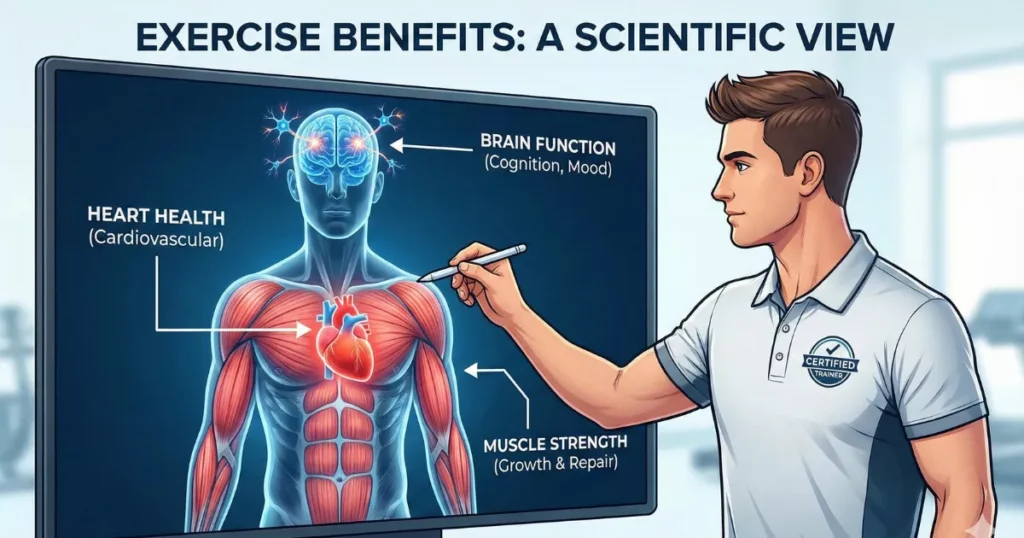
Exercise is important because it helps your body function better in everyday life. When you exercise regularly, your muscles become stronger, your joints move more freely, and your stamina improves. Simple daily tasks like walking, climbing stairs, or carrying groceries start feeling easier.
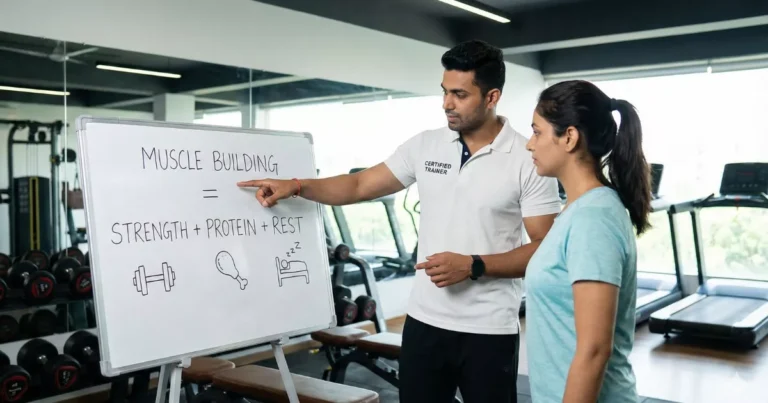
One major benefit of exercise is better heart health. Activities like walking, cycling, or light jogging improve blood circulation and help keep your heart strong. Regular exercise also boosts metabolism, which supports fat loss and healthy weight management over time. Exercise works even better when your diet includes enough protein, as explained in what is protein and why is it important.
Exercise is not just for the body—it is equally important for the mind. Physical activity releases feel-good hormones that reduce stress, anxiety, and mental fatigue. This is especially helpful in today’s fast-paced Indian lifestyle, where work pressure and screen time are high.
Another reason why exercise is important is long-term health protection. Regular exercise lowers the risk of lifestyle diseases like diabetes, high blood pressure, and back pain. It also improves posture, balance, and flexibility, which become more important as we age.
In simple terms, exercise keeps your body active, your mind fresh, and your health strong. That is why daily exercise is important for everyone—not just for weight loss, but for a better quality of life.
Exercise vs Physical Activity: Are They the Same?
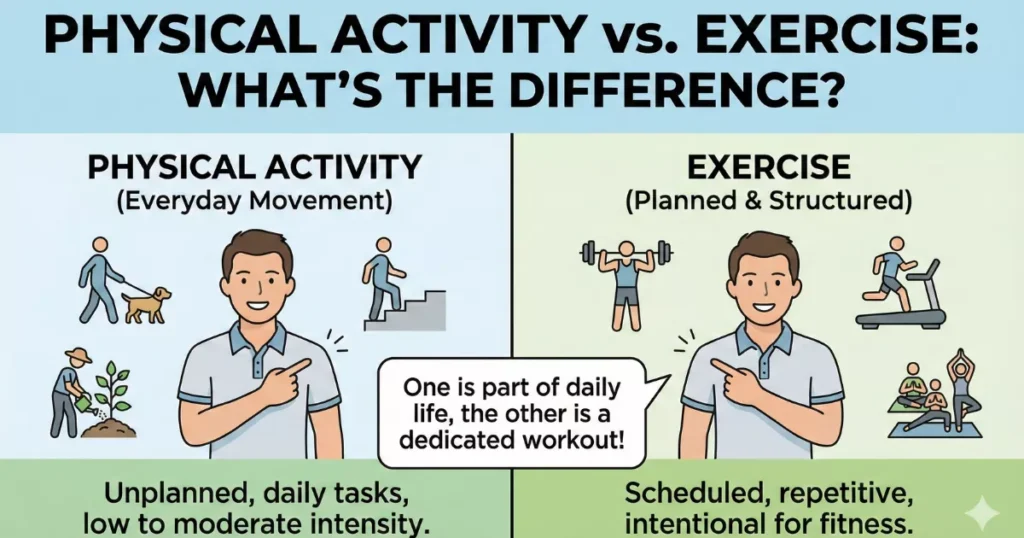
Many beginners use the words exercise and physical activity as if they mean the same thing, but there is a small and important difference. Understanding this difference helps you plan your fitness routine better.
Physical activity includes any movement of your body that burns energy. This can be walking around the house, doing household work, taking stairs, or playing with kids. These movements are good for health, but they are usually unplanned and irregular.
Exercise, on the other hand, is a planned, structured form of physical activity done with a specific goal—like improving strength, stamina, flexibility, or overall fitness. For example, walking randomly is a physical activity, but walking briskly for 30 minutes every morning is exercise.
Both physical activity and exercise are important. Physical activity keeps you moving throughout the day, while exercise helps you progress and improve your fitness levels in a more focused way. Beginners often think they need to do intense workouts to be healthy, but even light exercise combined with daily movement can give great results.
So if you’re active during the day but don’t exercise, try adding a short, planned workout. This balance is what truly supports long-term health.
Also Read: What Is Fitness? 5 Powerful Secrets Every Beginner Should Know
Benefits of Regular Exercise (Short & Long Term)

Regular exercise gives benefits that you can feel very quickly, and some that improve your health over time. In the short term, exercise helps increase energy levels, reduce stress, and improve mood. Even a 20–30 minute workout or walk can make you feel fresh and more active during the day.
One of the biggest short-term benefits is better focus and sleep. Exercise helps release stress and relaxes the mind, which leads to deeper and better-quality sleep. This is very helpful for beginners who feel tired or mentally drained due to long work hours and screen time.
In the long term, exercise supports fat loss, muscle strength, and bone health. Strong muscles and bones reduce the risk of injuries, back pain, and joint problems. Regular exercise also improves heart health and lowers the risk of lifestyle diseases like diabetes and high blood pressure.
Exercise also plays a big role in healthy ageing. It improves balance, flexibility, and mobility, which helps you stay independent as you grow older. Most importantly, regular exercise builds discipline and consistency, which positively affects other areas of life.
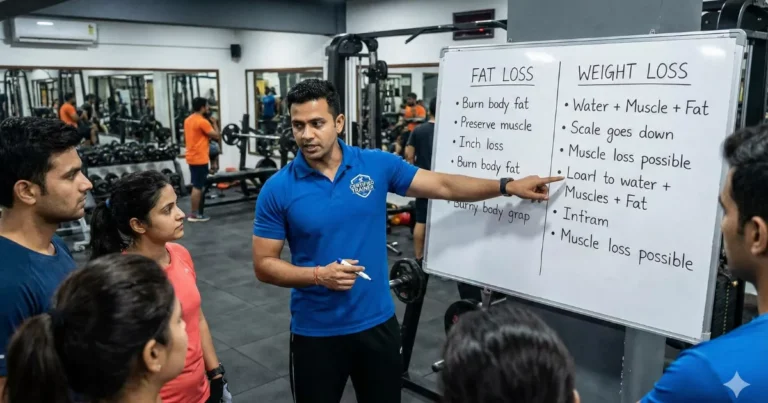
Whether your goal is fitness, health, or mental peace, regular exercise is one of the best habits you can build. Exercise also supports fat loss when done correctly, which we discussed in detail in fat loss vs weight loss.
What Happens If You Don’t Exercise?

When you don’t exercise regularly, your body slowly starts losing its natural strength and energy. One of the first problems many people notice is constant tiredness, even after enough sleep. Muscles become weak, flexibility reduces, and simple movements like bending or climbing stairs feel difficult.
Lack of exercise also affects weight and fat levels. When the body does not move enough, calories are not burned properly, which can lead to fat gain over time. This increases the risk of lifestyle problems such as obesity, diabetes, and high blood pressure—issues that are becoming very common in India.
Another major effect is poor posture and body pain. Sitting for long hours without exercise can cause back pain, neck stiffness, and joint problems. Over time, muscles tighten, and mobility reduces, making everyday activities uncomfortable.
Not exercising also impacts mental health. Stress, anxiety, and low mood become more common because the body misses the stress-relieving hormones released during physical activity. Sleep quality may also suffer.
The longer you avoid exercise, the harder it becomes to start again. That’s why adding even small amounts of daily exercise is important to keep your body active, strong, and healthy.
Who Should Exercise and How Often?
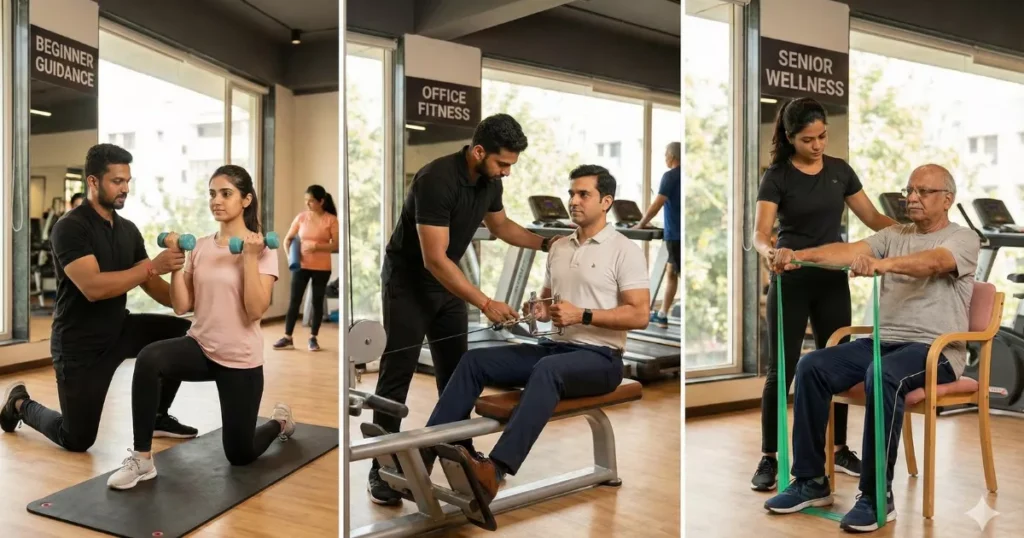
The simple answer is that everyone should exercise, regardless of age, gender, or fitness level. You don’t need to be young or already fit to start exercising. Exercise can be adapted for beginners, office workers, older adults, and even people with busy schedules.
For beginners, starting with 20–30 minutes of light exercise is enough. Activities like brisk walking, stretching, yoga, or basic bodyweight exercises help build the habit without putting too much stress on the body. As fitness improves, intensity and duration can be increased slowly.
Office workers who sit for long hours should focus on daily movement along with planned exercise. Short walks, mobility exercises, and 30 minutes of activity most days of the week can reduce stiffness and improve energy levels.
For older adults, exercise is important to maintain muscle strength, balance, and flexibility. Low-impact activities like walking, yoga, and light resistance training are safe and effective.
In general, aiming for at least 150 minutes of moderate exercise per week is a good guideline. The key is consistency, not perfection. Even small daily efforts add up over time.
Common Exercise Myths Beginners Believe

When people start learning about fitness, many exercise myths create fear and confusion. One common myth is “exercise means going to the gym.” In reality, exercise can be done anywhere—at home, in a park, or even in a small room. You don’t need machines to stay active.
Another popular myth is “exercise is only for weight loss.” Exercise improves heart health, strength, flexibility, mental health, and energy levels. Weight loss is just one of the many benefits, not the only goal.
Many beginners also believe, “I am too old to start exercising.” This is completely false. Exercise helps at every age and actually becomes more important as you grow older to maintain mobility and independence.
Some people think “more exercise is always better.” Overdoing exercise without proper rest can lead to injuries and burnout. Your body needs recovery to get stronger.
The biggest myth is waiting for motivation. You don’t need motivation to start—you need consistency. Once you start exercising regularly, motivation follows automatically.
Understanding these myths helps beginners start exercising with confidence and a positive mindset.
Conclusion
Now that you clearly understand what is exercise and why is it important, it becomes easier to see why physical movement should be a part of daily life. Exercise is not about extreme workouts or perfect routines—it is about keeping your body active, strong, and healthy simply and consistently.
Regular exercise improves strength, stamina, mental health, and long-term well-being. It helps manage stress, supports fat loss, improves posture, and protects you from lifestyle diseases. Most importantly, exercise improves the quality of your daily life, making you feel more energetic and confident.
For beginners, the best approach is to start small. You don’t need expensive equipment or a gym membership. A daily walk, basic stretches, or light bodyweight exercises are more than enough to build the habit. What matters is consistency, not intensity.
Instead of waiting for the “perfect time,” start today with whatever movement you can do. As your body adapts, you can slowly increase effort and variety.
In the next articles, we’ll cover simple workout routines, beginner exercise plans, and how to combine exercise with nutrition for better results.
If you’re confused about where to start or how to exercise correctly for your body, getting personal guidance can make things much easier. As a certified personal trainer, I help beginners understand exercise, nutrition, and routines simply and practically.
If you want a personalised workout and nutrition plan based on your goals and lifestyle, you can explore my personal training support to get started the right way.
FAQs – What Is Exercise and Why Is It Important?
1. What is exercise in simple words?
Exercise is planned physical activity done to improve health, strength, and fitness.
2. Why is exercise important daily?
Daily exercise keeps the body active, improves heart health, reduces stress, and prevents lifestyle diseases.
3. How much exercise do beginners need?
Beginners can start with 20–30 minutes of light to moderate exercise most days of the week.
4. Is walking considered exercise?
Yes. Brisk walking done regularly with a goal is a form of exercise.
5. Can exercise reduce stress?
Yes. Exercise releases hormones that reduce stress and improve mood.
6. Do I need to go to the gym to exercise?
No. You can exercise at home, outdoors, or anywhere without equipment.
7. What happens if I don’t exercise regularly?
Lack of exercise can lead to weakness, fat gain, poor posture, and lifestyle diseases.
8. Is exercise safe for older adults?
Yes. Low-impact exercises like walking and yoga are safe and beneficial for older adults.
9. Can exercise improve sleep quality?
Yes. Regular exercise helps relax the body and improve sleep quality.

Certified Personal Trainer & Nutrition Coach (12+ Years Experience)
Mohammad Hasnain helps beginners understand fat loss, workouts, and nutrition in a simple, practical, and science-based way without extreme diets.
Read more about the author