What Is Fitness? 5 Powerful Secrets Every Beginner Should Know
What is fitness? Many people believe fitness is only about six-pack abs, weight loss, or spending long hours in the gym. In reality, fitness is much more than appearance — it is about how efficiently your body functions, how energetic you feel, and how well you handle everyday activities without excessive fatigue.
Imagine climbing two flights of stairs without losing your breath, carrying grocery bags comfortably, sleeping better at night, and waking up feeling fresh. That is real fitness — practical, sustainable, and life-changing.
Fitness is the ability of your body and mind to perform daily activities efficiently, without excessive fatigue, while maintaining strength, endurance, flexibility, and overall health. It is not reserved for athletes or bodybuilders. Anyone can become fit with the right approach and consistent habits.
The best part? You do not need extreme diets or complicated workout routines to begin. Small, smart steps can completely transform your health over time.
In this guide, you will learn what fitness actually means, why it matters, and how you can start your journey — even if you are a complete beginner.
What Is Fitness Really? A Simple Explanation for Beginners”

Fitness is often misunderstood as looking slim, muscular, or “in shape.” But true fitness goes far beyond physical appearance. This is why understanding what fitness is can completely change how you approach your health. It is about how efficiently your body works and how prepared it is to handle daily life without unnecessary strain.
Think about two people: one gets tired after walking a short distance, while the other can stay active all day without feeling exhausted. The difference is not just weight or body type — it is fitness. When you are truly fit, your heart, muscles, lungs, and joints work together smoothly, allowing you to move better, feel stronger, and stay more energetic.
Fitness also includes mental well-being. Regular physical activity helps reduce stress, improve mood, and increase focus. So, being fit does not mean pushing yourself to extreme workouts. It means building a body and mind that support your lifestyle.
A simple way to understand fitness is this: if your daily tasks feel easier, your energy stays stable, and your body recovers well from effort, you are on the right track.
Many beginners wait for the “perfect time” to start, but fitness is not about perfection — it is about consistency and small improvements over time.
Why Fitness Is Important in Everyday Life
Fitness is not just about workouts — it directly affects how you feel, think, and perform every single day. When your body is fit, your energy levels stay stable, making even busy days feel manageable instead of overwhelming. Simple activities like walking, lifting household items, or playing with your kids become easier and more enjoyable.
One of the biggest advantages of staying fit is disease prevention. Regular movement helps control weight, supports heart health, improves blood circulation, and reduces the risk of lifestyle-related conditions such as diabetes and high blood pressure. In a country where sedentary routines are becoming common, prioritising fitness is no longer optional — it is essential.
Fitness also has a powerful impact on mental health. Exercise releases feel-good hormones that reduce stress, improve mood, and sharpen focus. Many beginners notice that once they start moving regularly, their confidence naturally grows.
Research consistently highlights the health benefits of regular physical activity, including improved heart health and reduced risk of chronic disease.
The truth is simple: when you invest in fitness today, you protect your future health while improving your present quality of life.
The 5 Main Components of Fitness Beginners Must Know
Many beginners believe fitness means only weight loss or muscle gain. In reality, true fitness is built on five essential components. When you improve each of these areas, your body becomes stronger, more balanced, and better prepared for daily life.
1. Cardiovascular Endurance

Cardiovascular endurance is your heart and lungs’ ability to supply oxygen to the body during physical activity. In simple words, it determines how long you can stay active without getting tired too quickly.
For example, if climbing stairs leaves you breathless or a short walk feels exhausting, your cardiovascular fitness likely needs improvement. The good news is that this is one of the fastest areas to develop. Activities like brisk walking, cycling, jogging, and skipping can significantly strengthen your heart.
Beginners should focus on consistency rather than intensity. Even 20–30 minutes of walking daily can improve stamina within a few weeks.
2. Muscle Strength
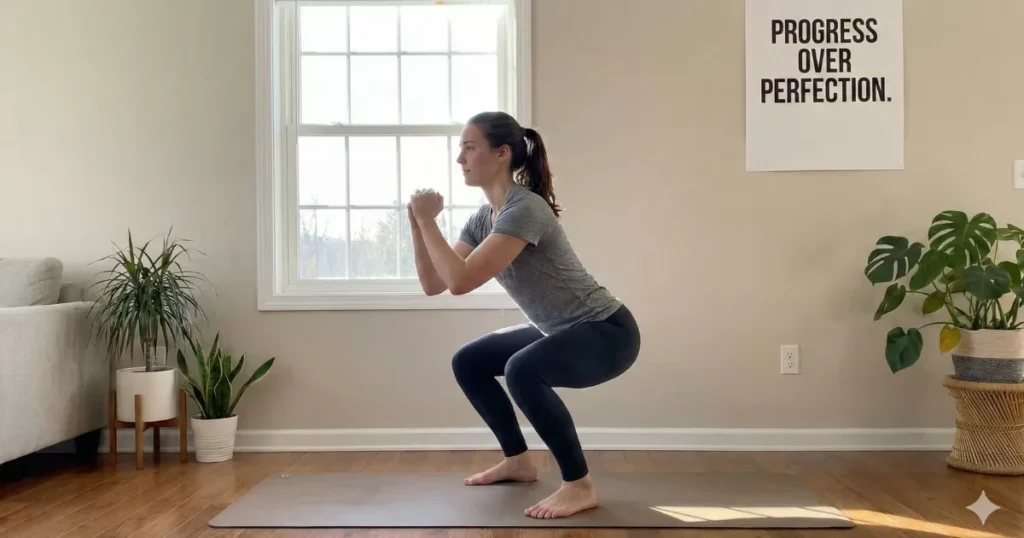
Muscle strength refers to how much force your muscles can produce. It supports your posture, protects your joints, and makes everyday movements safer and easier — from lifting grocery bags to getting up from the floor.
You do not need heavy gym equipment to build strength. Bodyweight exercises such as squats, push-ups, and lunges are excellent starting points. As your strength improves, daily tasks begin to feel effortless, and your risk of injury decreases.
A common mistake beginners make is avoiding strength training out of fear of becoming “too bulky.” In reality, strength training tones your body and boosts metabolism.
3. Muscle Endurance
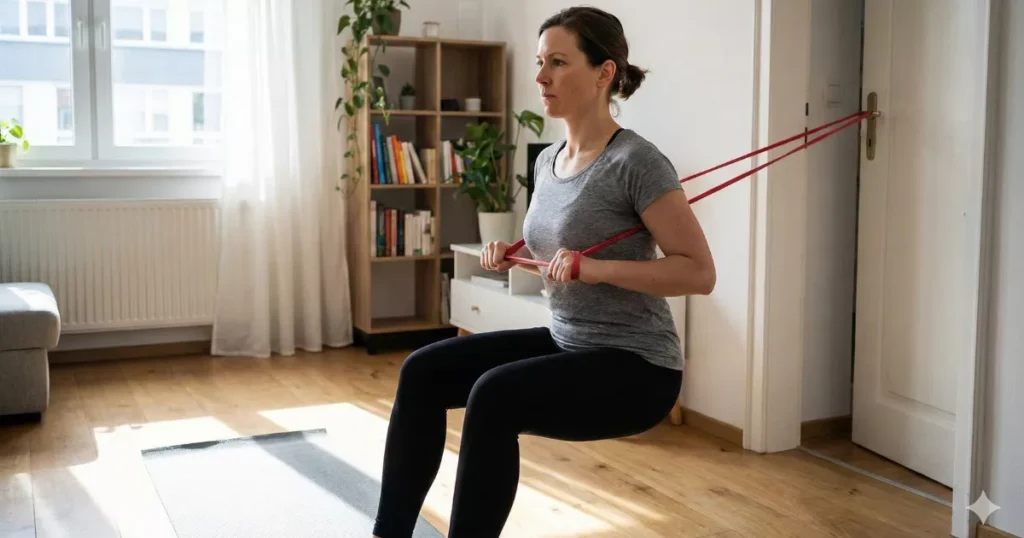
Muscle endurance is the ability of your muscles to perform repeated movements without fatigue. While strength helps you lift something heavy once, endurance helps you perform activities for longer periods.
Imagine carrying shopping bags for several minutes or completing multiple sets of an exercise — that is muscle endurance at work.
You can build it through higher repetitions with lighter resistance. Exercises like step-ups, light resistance band workouts, or cycling are highly effective.
Improving endurance makes your body more resilient and less prone to exhaustion during long, active days.
4. Flexibility
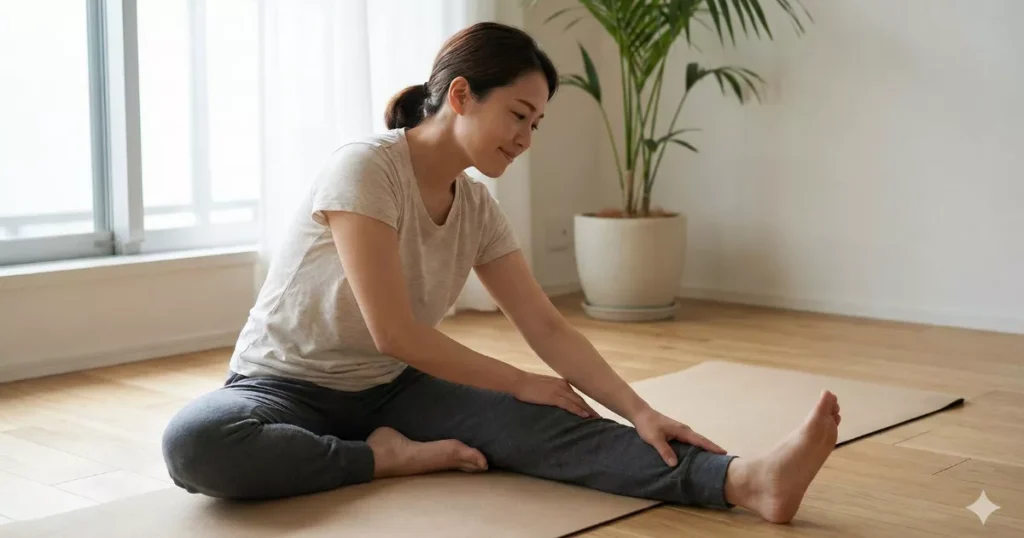
Flexibility is your joints’ ability to move freely through their full range of motion. It is often ignored, but poor flexibility can lead to stiffness, discomfort, and injuries.
If bending down feels difficult or your muscles stay tight after sitting for long hours, your body is asking for more mobility work.
Simple stretching, yoga, and mobility exercises can greatly improve flexibility. Just 5–10 minutes of stretching daily can enhance posture and reduce muscle tension.
Remember — a flexible body moves more efficiently and recovers faster.
5. Body Composition
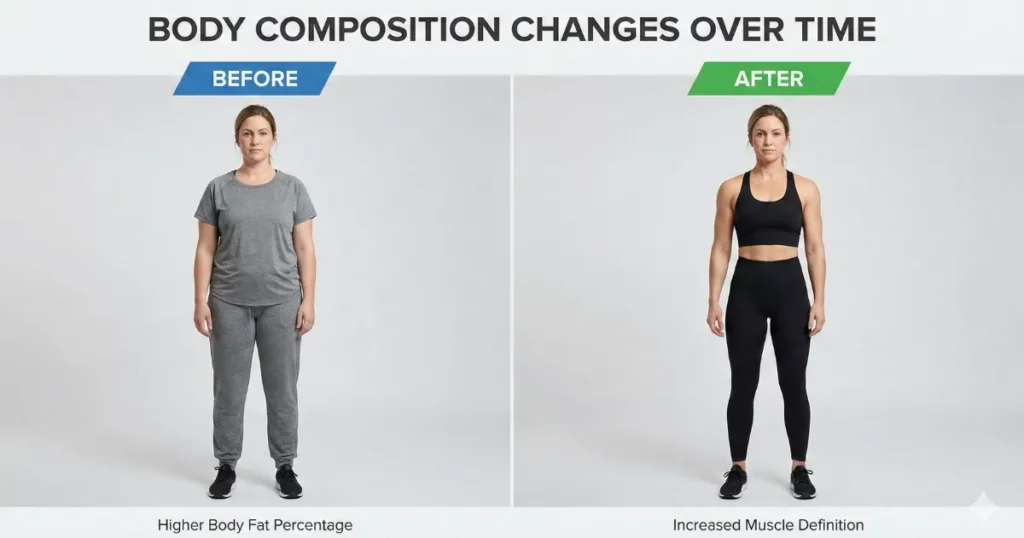
Body composition describes the ratio of fat, muscle, bone, and water in your body. Contrary to popular belief, the weighing scale does not tell the full story.
Two people can weigh the same but look completely different depending on their muscle and fat percentage. This is why focusing only on weight loss can be misleading.
A healthy goal is to reduce excess body fat while maintaining or building muscle through balanced nutrition and strength training.
Tracking progress through measurements, photos, or how your clothes fit is often more helpful than obsessing over numbers.
Signs You Are Fit (Even If You Don’t Look Like a Model)
One of the biggest mistakes beginners make is judging fitness purely by appearance. Visible abs, sharp jawlines, or a slim body do not always reflect true health. Real fitness is revealed by how your body performs — not just how it looks.
For example, if you can walk long distances without exhaustion, recover quickly after physical effort, and stay active throughout the day, these are strong indicators that your body is functioning well. Consistent energy levels are another important sign. Instead of feeling sluggish in the afternoon, you remain productive and alert.
Good sleep is often overlooked but closely connected to fitness. When your body gets regular movement, sleep quality improves, helping muscles recover and hormones stay balanced. Similarly, a stable mood and reduced stress levels suggest that your physical activity is supporting your mental health too.
Another powerful sign is functional strength — everyday movements like bending, lifting, pushing, or climbing feel natural rather than challenging.
Biggest Fitness Myths Beginners Should Stop Believing
Fitness is surrounded by misinformation, and many beginners delay their journey because they believe things that simply are not true. Let’s clear up some of the most common myths so you can focus on what actually works.
Myth 1: Fitness means losing weight.
Weight loss can be a result of getting fit, but it is not the definition of fitness. Someone can be slim yet lack strength or stamina. True fitness is about overall physical capability and health.
Myth 2: You must join a gym to get fit.
While gyms are helpful, they are not mandatory. Walking, bodyweight training, yoga, and home workouts can deliver excellent results when done consistently. If you prefer starting at home, you can explore our home workout for beginners (Internal Link Placement).
Myth 3: More sweating means a better workout.
Sweat is your body’s cooling mechanism — not a measure of effectiveness. A structured, moderate workout is far more beneficial than exhausting yourself without a plan.
Myth 4: Supplements are necessary.
Most beginners can achieve great progress through balanced nutrition, adequate protein, proper sleep, and regular training. Supplements should support a plan, not replace healthy habits.
For trusted activity recommendations, refer to the global physical activity guidelines published by the World Health Organisation.
Once you stop believing these myths, fitness becomes far less confusing and much easier to sustain.
How Beginners Can Start Their Fitness Journey Today
Starting fitness does not require a dramatic lifestyle overhaul. In fact, the smartest way to begin is by keeping things simple and sustainable. Many people fail because they try to do too much too soon — intense workouts, strict diets, and unrealistic schedules. Instead, focus on small actions that you can repeat daily.
Begin with walking. It is one of the safest and most effective forms of exercise for beginners. Just 20–30 minutes of brisk walking can improve heart health, boost mood, and increase overall stamina. Once this feels comfortable, add basic strength training two to three times per week. Movements like squats, push-ups, and lunges help build muscle, protect joints, and improve metabolism.
Consistency should always be your priority over intensity. A moderate routine followed for months is far more powerful than an extreme effort that lasts only a few weeks.
Sleep and nutrition also play a critical role. Aim for quality sleep and include enough protein in your meals to support muscle recovery.
Most importantly, start before you feel “ready.” Progress begins the moment you take the first step.
The Secret to Staying Fit for Life
Many people start their fitness journey with excitement, but struggle to stay consistent. The real secret to lifelong fitness is not motivation — it is habit building. Motivation comes and goes, but strong daily habits keep you moving forward even on days when you do not feel like exercising.
Instead of chasing quick transformations, shift your mindset toward identity. Start seeing yourself as someone who values health. When exercise becomes part of who you are — like brushing your teeth — it stops feeling like a task and starts feeling natural.
Another key is choosing activities you genuinely enjoy. You do not have to force yourself into workouts you hate. Some people enjoy strength training, others prefer yoga, sports, cycling, or long walks. The best workout is always the one you can sustain.
Discipline will carry you further than short bursts of enthusiasm. Showing up three to four times every week for months will create far greater change than extreme efforts that lead to burnout.
Remember, fitness is not a 30-day challenge — it is a lifelong investment in your energy, confidence, and future health. Focus on progress, stay patient with your body, and trust the process. Over time, the results will speak for themselves.
Conclusion: Fitness Is Simpler Than You Think
What is fitness? It is not a temporary challenge or a short-term goal — it is a lifelong investment in your health, energy, and confidence.
Fitness is often made to look complicated, but at its core, it is simply about building a body that supports your daily life. You do not need perfect conditions, expensive equipment, or extreme discipline to begin. What you truly need is a willingness to start and the patience to stay consistent.
Remember, fitness is not defined by six-pack abs or a number on the weighing scale. It shows up in your daily energy, your strength, your ability to move freely, and your overall well-being. Every walk you take, every workout you complete, and every healthy choice you make is an investment in a stronger future.
If you are a beginner, forget about perfection. Focus on progress. Start small, stay regular, and allow your body the time it needs to adapt. The journey may feel slow at first, but the results compound faster than you expect.
Start today — even if it is just a 20-minute walk. Your future self will thank you for it.
FAQs (Frequently Asked Questions)
1. What is the simple definition of fitness?
Fitness is the ability to perform daily activities with strength, endurance, and energy without excessive fatigue while maintaining overall physical and mental health.
2. What are the main components of fitness?
The five main components are cardiovascular endurance, muscle strength, muscle endurance, flexibility, and body composition.
3. Can I become fit without going to the gym?
Yes. Walking, home workouts, yoga, and bodyweight exercises can significantly improve fitness when done consistently.
4. How long does it take to become fit?
Most beginners notice improved energy and stamina within 4–6 weeks, while visible physical changes typically take a few months of regular effort.
5. Is walking enough to improve fitness?
Walking is an excellent starting point. However, combining it with strength training and mobility exercises creates more balanced fitness.
6. What is the difference between health and fitness?
Health is your overall state of physical and mental well-being, while fitness refers specifically to your body’s ability to perform physical activities efficiently.
7. How often should beginners exercise?
Aim for at least 150 minutes of moderate activity per week, along with 2–3 strength sessions.
8. What is the fastest way to get fit?
There is no safe shortcut. The most effective approach is consistent exercise, balanced nutrition, quality sleep, and gradual progression.
9. Do I need supplements to get fit?
No. Most beginners can achieve excellent results through proper diet and training. Supplements are optional and should only support an already healthy routine.
10. What is the best age to start fitness?
Any age is the right age. The earlier you start, the greater the long-term benefits — but it is never too late to begin.

Certified Personal Trainer & Nutrition Coach (12+ Years Experience)
Mohammad Hasnain helps beginners understand fat loss, workouts, and nutrition in a simple, practical, and science-based way without extreme diets.
Read more about the author