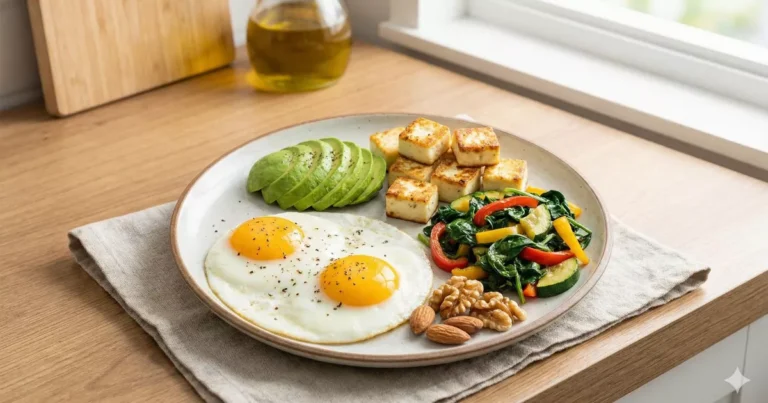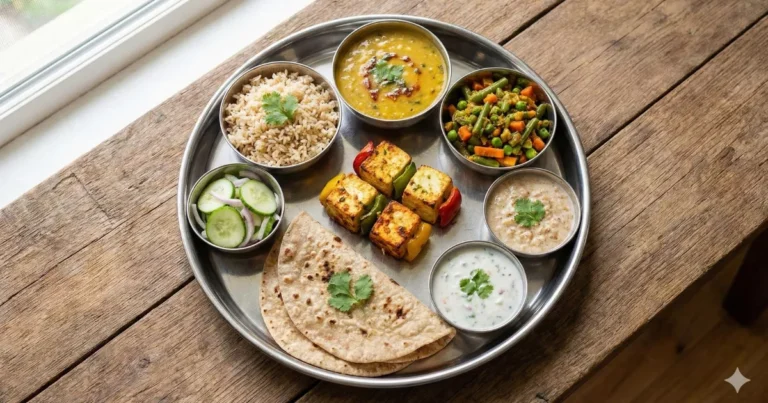
What Is Protein and Why Is It Important? Benefits & Daily Needs
What is protein and why is it important? This is one of the most common questions beginners ask when they start learning about nutrition and fitness. Some people think protein is only for bodybuilders, while others believe it is needed only if you go to the gym. In reality, protein is important for every single person, even if you don’t work out at all.
In simple words, protein is a building block of your body. Your muscles, skin, hair, bones, and even your immune system need protein to work properly. Every day, your body breaks down tissues and repairs them again — and protein plays a key role in this process. Without enough protein, your body starts feeling weak, tired, and slow.
For Indian lifestyles, where meals are often high in carbs but low in protein, this nutrient is usually missing from daily diets. This is why many people struggle with muscle loss, poor recovery, and slow weight loss without knowing the real reason.
In this article, you’ll learn what protein is, why it is important for your body, and how much protein you actually need daily. Understanding what is protein and why is it important helps you make better food choices for long-term health and fitness.
What Is Protein and Why Is It Important for Your Body?
Protein is one of the three main nutrients your body needs every day, along with carbohydrates and fats. In very simple words, protein helps build, repair, and maintain your body. Whenever someone asks “what is protein?”, the easiest answer is: protein is the building material of the body.
Your muscles, skin, hair, nails, bones, and even hormones are made using protein. Inside a protein, there are smaller units called amino acids. Think of amino acids like bricks — when these bricks come together, they form muscles and tissues. Your body cannot make all amino acids on its own, so you must get them from food.
Everyday activities like walking, working, exercising, or even sitting for long hours cause small wear and tear in your body. Protein helps repair this damage and keeps you strong and active. This is not only important for gym-goers, but also for students, office workers, housewives, and older adults.
In the Indian diet, most meals are heavy in rice, roti, or sugar, but low in protein. That’s why many people eat enough calories but still feel weak or tired. Understanding what protein is becomes the first step toward better health, strength, and overall fitness.
Why Is Protein Important for the Body?
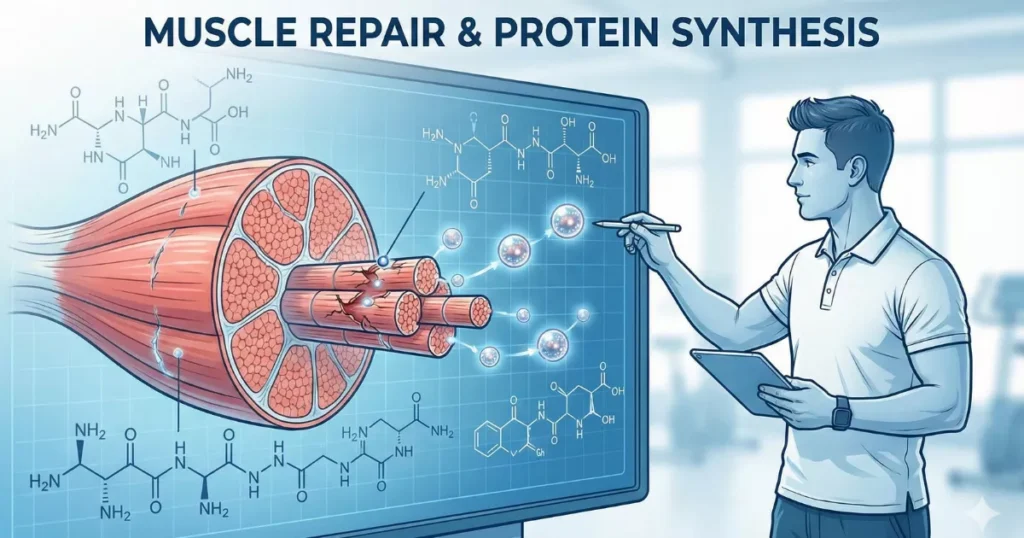
Protein plays a very important role in keeping your body healthy, strong, and active. One of the main reasons protein is important is that it helps in muscle repair and growth. Whenever you walk, exercise, lift weights, or even do daily household work, your muscles get tiny tears. Protein helps repair these muscles and makes them stronger over time.
Protein is also very important for weight loss. High-protein foods keep you full for longer, helping control hunger and reduce unnecessary snacking. This is why people who eat enough protein often find it easier to manage their weight. Along with this, protein helps maintain muscle mass during fat loss, which is very important for a healthy-looking body.
Another major benefit of protein is better recovery and immunity. Your immune system uses proteins to make antibodies that protect you from illness. If your protein intake is low, you may fall sick more often or feel tired all the time. Protein also supports enzymes and hormones that regulate many body functions, such as digestion and metabolism.
For Indian lifestyles, where meals are mostly carb-based, adding enough protein can improve energy levels, strength, and overall health. This is why protein is important not just for athletes, but for everyone.
How Much Protein Should You Take Daily?
This is one of the most common questions beginners ask: How much protein should I take daily? The answer is actually very simple and does not need any complicated calculation.
For a normal, healthy person who does not work out, a good starting point is 0.8 to 1 gram of protein per kg of body weight. For example, if your weight is 60 kg, you should aim for around 48–60 grams of protein per day. This amount helps your body perform daily repair and basic functions.
If you do workouts, walk regularly, or are trying to lose weight or gain muscle, your protein need increases. In that case, 1.2 to 1.6 grams per kg body weight is usually recommended. So a 70 kg person may need around 85–110 grams of protein daily.
Many people think more protein is always better, but that’s not true. Taking excess protein without proper exercise or balance is unnecessary. The goal is to take the right amount, not the maximum amount. According to global health guidelines, the recommended protein intake depends on body weight and activity level.
For Indian diets, spreading protein across meals is very important. Instead of eating most protein at dinner, try adding protein to breakfast, lunch, and snacks. This improves digestion, energy levels, and overall results.
Daily Protein Requirement Table (Simple & Practical)
| Goal / Activity Level | Protein per kg Body Weight | Example (60 kg person) | Example (70 kg person) |
|---|---|---|---|
| Sedentary (No exercise) | 0.8 – 1.0 g/kg | 48 – 60 g/day | 56 – 70 g/day |
| Light activity / Walking | 1.0 – 1.2 g/kg | 60 – 72 g/day | 70 – 84 g/day |
| Weight loss | 1.2 – 1.5 g/kg | 72 – 90 g/day | 84 – 105 g/day |
| Muscle gain / Gym workout | 1.5 – 1.8 g/kg | 90 – 108 g/day | 105 – 126 g/day |
| Heavy training / Athlete | 1.8 – 2.0 g/kg | 108 – 120 g/day | 126 – 140 g/day |
What Happens If You Don’t Get Enough Protein?
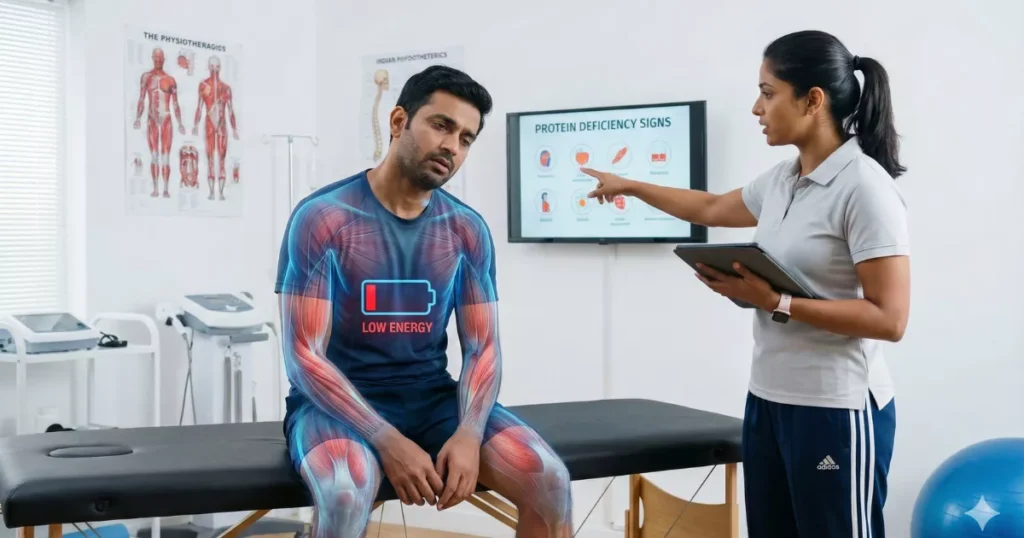
When your body does not get enough protein, it slowly starts showing signs, but many people ignore them or don’t connect them to diet. One of the first problems is constant weakness and low energy. Even after eating enough food, you may still feel tired because your body is not getting the nutrients needed for repair.
Another common issue is muscle loss. If protein intake is low, your body starts to break down muscle to meet its needs. This can happen even if your weight stays the same. Over time, this leads to poor strength, bad posture, and slow progress in workouts or daily activities.
Low protein also affects recovery and immunity. Small injuries, muscle soreness, or workouts take longer to heal. You may also fall sick more often because protein is needed to make antibodies that protect your body. Hair fall, weak nails, and dull skin are also common signs of protein deficiency.
For people trying to lose weight, low protein can make things worse. You may feel hungry all the time, crave junk food, and lose muscle instead of fat. This is very common in Indian diets that are high in carbs but low in protein.
Getting enough protein daily helps keep your body strong, active, and balanced.
Read This: What Is Fitness? 5 Powerful Secrets Every Beginner Should Know
Who Needs Protein the Most?

Protein is important for everyone, but some people need it more urgently because of their lifestyle, goals, or daily routine. One major group is gym beginners and people who exercise regularly. When you start working out, your muscles experience stress and small tears. Without enough protein, your body cannot repair these muscles properly, which leads to slow progress and more soreness.
People trying to lose weight also need sufficient protein. During weight loss, if protein intake is low, the body may lose muscle along with fat. Protein helps preserve muscle mass, keeps metabolism active, and controls hunger by keeping you full for longer hours.
Office workers and busy professionals often sit for long hours and rely on quick, carb-heavy meals. This lifestyle increases muscle stiffness and fatigue. Adequate protein helps maintain muscle health and improves energy levels, even if you don’t go to the gym.
Vegetarians, especially in India, must pay extra attention to protein intake. Many vegetarian diets lack variety in protein sources, which can lead to deficiency if not planned properly.
Older adults also need protein to prevent muscle loss and weakness with age. In short, if you want strength, better recovery, and good health, protein is essential.
Natural Sources of Protein (Indian Diet) – Quantity & Protein
Vegetarian Protein Sources
| Food Item | Quantity (Approx.) | Protein (grams) |
|---|---|---|
| Moong Dal (raw) | 100 g | 24 g |
| Toor Dal (raw) | 100 g | 22 g |
| Rajma (raw) | 100 g | 24 g |
| Chana / Chickpeas (raw) | 100 g | 19 g |
| Soybeans (raw) | 100 g | 36 g |
| Paneer | 100 g | 18 g |
| Tofu | 100 g | 10 g |
| Milk (toned) | 1 glass (250 ml) | 8 g |
| Curd (dahi) | 1 bowl (200 g) | 8 g |
| Peanuts | 30 g (handful) | 7 g |
| Almonds | 10 pieces | 6 g |
Non-Vegetarian Protein Sources
| Food Item | Quantity (Approx.) | Protein (grams) |
|---|---|---|
| Egg (whole) | 1 large | 6 g |
| Egg Whites | 1 large | 4 g |
| Chicken Breast (cooked) | 100 g | 30 g |
| Fish (Rohu / Katla) | 100 g | 22 g |
| Fish (Tuna) | 100 g | 26 g |
| Mutton (lean, cooked) | 100 g | 25 g |
Common Protein Myths Beginners Believe
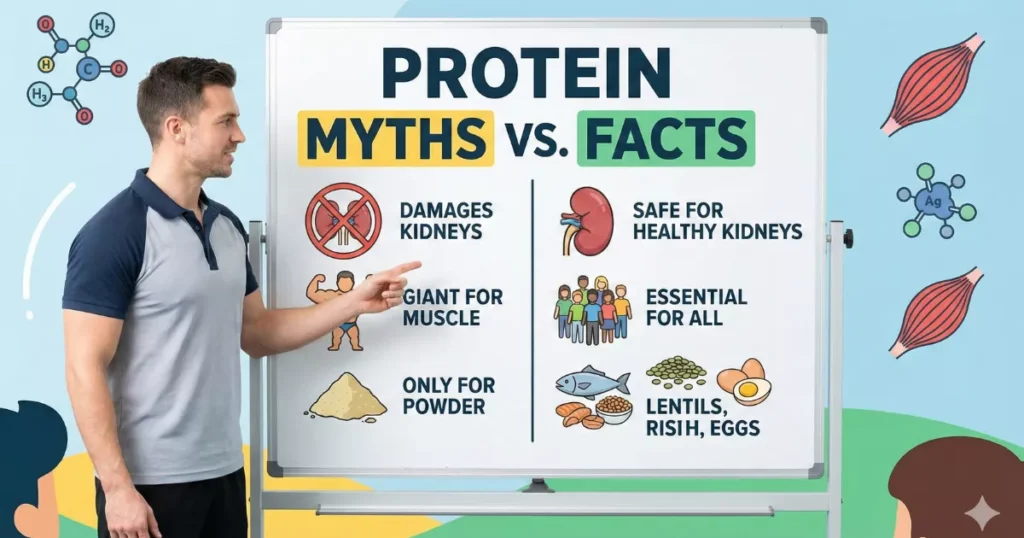
When it comes to protein, beginners often believe many myths that stop them from improving their health. One of the most common myths is “protein is only for bodybuilders.” This is completely wrong. Protein is needed by everyone — students, office workers, women, older adults, and even people who don’t exercise. Your body uses protein daily for repair and maintenance, not just for muscle size.
Another popular myth is “high protein damages kidneys.” For healthy people with no kidney problems, normal protein intake from food is completely safe. This fear usually comes from half-knowledge or social media misinformation. Problems arise only when someone already has kidney disease and consumes excessive protein without medical advice.
Many Indians also believe “Indian food doesn’t have protein.” In reality, Indian diets have protein, but the issue is quantity and balance. Eating only dal with lots of rice or roti is not enough. You need to increase your protein intake and add variety by including curd, paneer, eggs, or soy.
Some people think “more protein means faster results.” This is also wrong. Your body can use only a certain amount of protein. Without exercise, sleep, and consistency, extra protein won’t help.
Understanding these myths helps you make smarter, healthier nutrition choices.
Conclusion
Once you clearly understand what is protein and why is it important, improving your diet becomes much easier and more practical.
Protein is not a fancy or optional nutrient — it is a basic requirement for a healthy body. Whether your goal is weight loss, muscle gain, better energy, or simply staying active, protein plays a key role in all of it. From muscle repair and immunity to hunger control and recovery, protein supports your body every single day.
For most people in India, the problem is not a lack of food, but a lack of awareness about protein quantity. Eating roti, rice, or dal alone is not enough if protein portions are too small. Once you understand what protein is, why it is important, and how much you actually need, improving your diet becomes much easier and more practical.
You don’t need extreme diets or expensive supplements to start. Small changes like adding curd to meals, increasing dal quantity, eating eggs, or including paneer and soy can make a big difference over time. Consistency matters more than perfection.
If you are just starting your fitness or health journey, focus first on understanding your daily protein needs and meeting them through natural foods. In the next articles, we’ll go deeper into protein-rich Indian foods, meal planning, and whether protein supplements are really necessary.
Start simple. Start smart. Your body will thank you.
FAQs (Frequently Asked Questions)
1. What is protein?
Protein is a nutrient that helps build, repair, and maintain your body. It is essential for muscles, skin, hair, and immunity.
2. Why is protein important for the body?
Protein helps in muscle repair, recovery, immunity, hormone function, and keeps you strong and active in daily life.
3. How much protein should I take daily?
Most beginners need 0.8–1 g per kg body weight, while active people may need 1.2–1.6 g per kg, depending on goals.
4. Is protein only for gym or bodybuilders?
No. Protein is important for everyone, even if you don’t work out. Your body needs it daily for basic functions.
5. Can vegetarians get enough protein in India?
Yes. Foods like dal, paneer, curd, soy, tofu, nuts, and seeds can help vegetarians meet protein needs if eaten properly.
6. Is too much protein bad for health?
Excess protein is unnecessary for most people. For healthy individuals, normal protein intake from food is safe.
7. Does protein help in weight loss?
Yes. Protein keeps you full longer, reduces cravings, and helps preserve muscle during fat loss.
8. What happens if I don’t eat enough protein?
You may feel weak, lose muscle, recover slowly, and fall sick more often due to poor immunity.
9. Is protein powder necessary?
No. Beginners can meet most protein needs through food. Supplements are optional, not compulsory.

Certified Personal Trainer & Nutrition Coach (12+ Years Experience)
Mohammad Hasnain helps beginners understand fat loss, workouts, and nutrition in a simple, practical, and science-based way without extreme diets.
Read more about the author